Review:
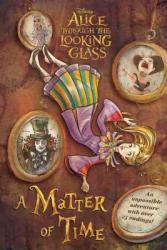
Reviewer's Name: KelseyAlice has traveled back to Wonderland! She and the other characters must find what has made the Hatter go inexplicably mad, or in his case, sane. And there is another mystery afoot. A mystery that had started before Alice came to Wonderland in the first place. Your actions and decisions affect the story, as you can choose to be Alice, the Mad Hatter, the Red Queen, or the White Queen, at different times in the story, including future and past...
A choose your own adventure, this book is entertaining for a light read. I enjoyed the different perspectives and whimsical ideas, but as I was reading through to the last ending, I found myself a little bored. I suppose this is because parts of story between the four characters were exactly the same, but told as "Alice said," instead of "I said," for example. I also think that it would have been more interesting if the book had differing interpretations of the same ideas depending on the character being played. However, I did enjoy making decisions for the first characters I chose, because the story was new to me, and I couldn’t predict what I needed to do. But after the first two, I could tell exactly what decisions would lead me to the right places, because the first characters had already finished the story based on the other two's actions.
Review:
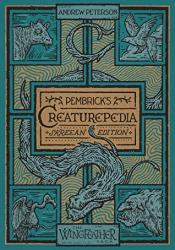
Reviewer's Name: KelseyThis book is delightful, despite being only 122 pages (including the author's note, which I also enjoyed immensely). It is presented as a dictionary of quirky, imaginary creatures found in the Wingfeather Saga, which is also by Andrew Peterson. It's filled with elaborate drawings of such creatures, which I deeply enjoyed looking at. The descriptions consist of short stories of "Ollister B. Pembrick"'s encounters with the animals, and his opinions on their demeanor, weaknesses, and even taste. It is very fun to read and I would recommend this to anyone looking for something to cure their boredom. I also enjoyed the made up words in this book such as "quickitude" and "dogths" (a unit of measurement involving dogs). This is an excellent, strange little book that is definitely worth opening.
Review:
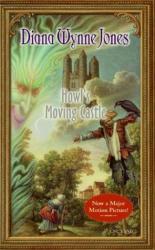
Reviewer's Name: EveHowl's Moving Castle is yet another exceedingly charming and wonderfully hilarious fantasy masterpiece written by Diana Wynne Jones. Set in the wondrous world of Ingary, it follows Sophie Hatter in her quest to undo a curse put upon her by the Witch of the Waste that has made her into an old woman. This quest will take her to the chicken-footed castle of Howl, a haughty and capricious wizard, rumored to consume the hearts of young maids. There, she will encounter magical doors, fallen stars, anxious apprentices, and adventure beyond her wildest dreams. Although she'll have to put up with the most annoying wizard in the world to experience it.
I love this book so much because it is the epitome of good fantasy while also spending about half the time blatantly making fun of the entire genre of fantasy. It's good fantasy because it really highlights the best parts of fantasy. It has all the spectacular world building, the whimsical setting, the spectacularly implausible situations, and the characters who treat all of this like normal, day to day life. This stuff is amazing, and its why fantasy as a genre is amazing. But because it is such standard fantasy, it spices it up by poking fun at all the things fantasy takes for granted. For example, Sophie is the oldest of three sisters, which she knows means she won't do much with her life. A huge chunk of her character is her believing she is plain and normal, because that's how fairy tale rules work: the oldest two sisters are examples or background characters, while the youngest shines as a future princess or a powerful sorceress. And its so funny! Because its something we all know, because it happens so often, and because of course the people that live in this world know the rules by now! Another bit that shines is when the characters attempt to use seven-league boots, a classic fairy tale item that allows the user to travel seven leagues with one step. But when the characters try to travel seven leagues, one of them keep accidentally taking an extra step. Because of course they would! If you're getting shoved across seven leagues, you're off balance, so you take an extra step to balance yourself out! Also, how many of us regularly take a single step? So about 3 pages of this book is just a highly relatable sequence of this character shuttling herself back and forth over fourteen leagues, desperately trying to take just one step. And it's hilarious.
Another bit that shines about this book are the characters, and just how human they are. I've already mentioned that characters in this book are aware of trends and realistically skilled, both of which are refreshing in fantasy stories. But they're all also flawed, and flawed in actually bad ways. After reading so many books with characters flaws being things like "too loyal" or "too pretty" or "too noble", I love how this book just has characters that can sometimes be the worst. The character this shines through is the wizard, Howl. He's not annoying to the protagonist because he's "too nice" or "too charming." He's annoying because he throws tantrums and gets slime everywhere and never answers questions and avoids too much work at all costs and is needlessly dramatic and constantly oblivious and carries around a guitar to impress women. He's an amazing character because he acts exactly like a twenty-something with amazing magical powers would. I also love how this quality also affects the female characters, especially Sophie. She can be brash and stubborn and aggressive. She gets turned into a ninety year old, and she's cool with it in like twenty minutes because she realizes she doesn't need to impress anyone anymore. She literally throws acidic weed-killer at Howl because he says something just a little too stupid. This book allows its characters to say stupid things and make stupid decisions, because everyone does that sometimes so everyone in this book will do it too. The level of human understanding that went into this book is astounding.
All in all, this is one of the most fun books I've read in a long time. I would recommend this to anyone who loves relatable characters, amazing fantasy, a good mystery, and a fun read!
Reviewer Grade: 12
Review:
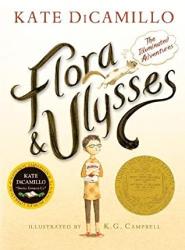
Reviewer's Name: IsabelFlora & Ulysses: The Illuminated Adventures has to be one of my favorite books. Not only are every one of the characters realistic and wonderful, but the story carries a beautiful message as well.
Ulysses is a squirrel who was sucked up by a vacuum cleaner and gained superpowers. Flora is a self described, natural-born cynic. Together, who knows what they can achieve?
Flora and Ulysses' personal journeys in the novel are sweet and never fail to impress me, and I especially like some of the more minor characters like Flora's polite and hopeful father and his philosophical neighbor, Dr. Meescham, whom likes to tell stories of her childhood in Blundermeecen.
"[We were] Always opening the door in the middle of the night and finding the face of someone you wanted to see. Well, not always. Sometimes it was the face of someone you did not want to see. But always, always in Blundermeecen you opened the door because you could not stop hoping that on the other side of it would be the face of someone you loved. And maybe, too, the face of someone you did not yet know but might come to love," is my favorite Flora & Ulysses quote, courtesy of Dr. Meescham. Despite this, my favorite character has to be our protagonist, Flora. She claims that she's a cynic, yet sees the good in others. She is independent, literate, and capable, and only occasionally yells out words or phrases that she deems appropriate to the situation, such as "Treacle!", "Seal blubber," or, "This malfeasance must be stopped!".
This is a book about learning to love others and the world around you, about the power in relationships, and the meaning behind words. One of the most powerful aspects of this book is seeing Ulysses find his voice and in turn, teach others to hope.
Flora & Ulysses: The Illuminated Adventures is one of Kate DiCamillo's more lighthearted books, but it still carries a wonderful theme and memorable characters, and for this, I give it 5 stars.
Reviewer Grade 9, age 13
Review:
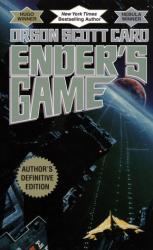
Reviewer's Name: FinnEnder's Game, written by Orson Scott Card, is a fictional account of an interplanetary war between the human race and aliens (known as "buggers"). The protagonist, Andrew "Ender" Wiggin, is a young boy when he is selected to battle school, where the elite of humanity is sent to train in case of war. Ender quickly rises through the ranks and joins the Command School, where the elite of the elite train.
In the previous war against the buggers, one man's actions saved humanity, and that man's name was Mazar Rackham. For the upcoming war, Mazar Rackham refines Ender's ability to exploit weakness in the enemy. After the war (no spoilers here!), Ender learns of the importance of communication and trust.
My favorite part was the ending. Even thought it felt a little rushed, it was beautiful. It was filled with kindeness and hope for the future. I enjoyed reading the book because it challenged my vocabulary and helped me look at situations and misunderstandings in a different light. I would recommend the book because it teaches valuable lessons that the reader can apply to their own life.
Genres:
Review:
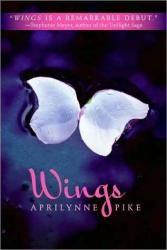
Reviewer's Name: TishaWings focuses on a teenage girl, Laurel, who starts to experience strange magic-like events all during the first few months of her moving and going to a public school. When I saw the book, the hints of magic, romance, and the beautiful cover accompanied by the imagery in the synopsis really caught my attention. I did enjoy the romance aspects of the novel as it showed a wholesomeness of teenage couples and the friendship that led to it. Additionally, I enjoyed seeing Laurel grow more into the role of a strong protagonist by taking risks and learning to love, both herself and others. When reading Wings I found parts of the story to be interesting and adventurous, but kept to the trope of magic faeries and many main plot points were fairly predictable. Even though parts of the book seem to be predictable, I would still recommend it, as it is an interesting take on magic in our world with Laurel developing more as a protagonist throughout.
Awards:

Review:
Reviewer's Name: AntwaanThe final book of The Magicians trilogy follows Quentin back on Earth ready to take on a mission to steal a mysterious suit case along side other magically adept individuals, one being Plum, someone whom he knows from initial months after his expulsion from Fillory. Meanwhile, Eliot and Janet, along with new Fillorian royalty Josh and Poppy, work to save their world from destruction.
I really enjoyed this conclusion to this trilogy. The characters are given more depth (Janet makes her reappearance as an important character), storylines/loose ends from the previous books are solved or explained, and there are more perspectives rather than just Quentin. Seeing the story play out on both Earth and Fillory as they slowly come together near the end was a fun experience that wasn't shown in the other books due to their limited perspective.
The plot following Quentin and Plum was definitely a journey! Seeing the initial set up of the mission, the planning, and the execution and follow-up was deeply engaging. Not only were new things introduced, but it did a great job of creating its own story while connecting to previous storylines and the current plot with Fillory.
The events in Fillory were also fun, though they weren't as much of the story as Earth and didn't involve as much Josh and Poppy as I personally would have wanted. Regardless, this side of the story was also fun.
There were a few surprises that came up that were unexpected, but I'll leave them to you to see if you liked them or not.
Reader's Grade: 11
Review:
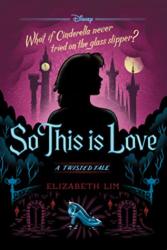
Reviewer's Name: SamanthaThis book was a beautiful twisted tale based on Cinderella. It was a simple and quick read. I loved having it for a leisure book, it was a nice break between complex novels. On this note, I felt as though certain elements could have been developed better, such as the conspiracy within the castle. It was childishly simple to read, albeit that is part of what made this book so enjoyable. The biggest downside in my opinion was the ending. It felt far too rushed. Overall however this was a great read! I enjoyed where Elizabeth Lim picked up the story and cannot wait to read more books from her.
Genres:
Review:
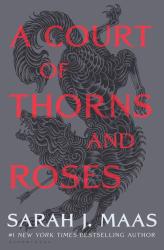
Reviewer's Name: SamanthaThis book had me completely hooked! It almost follows the plot of Beauty and the Beast but in its own world with its own complex characters. Feyre's determination and strength was incredible to see in a female character. Not only is she the main character and heroin but she carries real and deep emotions. In addition to this, I love Tamlin and his court. Sarah J Mass's descriptions are in depth and I felt like I was really in the room experiencing everything as it happened. The end had my head spinning and I could not wait for the next book.
Genres:
Review:
Reviewer's Name: Cooper(Warning do not proceed unless you have read the previous 4 books. SPOILERS AHEAD.)
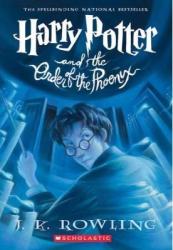
The wizarding world is exploding with news of Voldemort's return. Muggle news is filled with mysterious murders and strange disappearances. Or, at least, that is what 15-year-old Harry Potter thinks should be happening. Ever since he saw Voldemort return at the end of the Triwizard Tournament he had to hide under flower bushes just to listen to the muggle news to get any hint of what might be happening and, of course, avoiding his Wizard hating Aunt Petunia and Uncle Vernon. While doing this very thing, he hears a big crack that sounded like someone apparating or disapparating he jumps up because it was some sign of the world he knew...and he hits his head on the windowsill. His bumbling uncle pulls him in with his thick purple fingers and with a quick quarrel, Harry shows some cheek and leaves the house heading towards the park. He sighs bitterly thinking about how abandoned he felt. The stupid Daily Prophet failed to acknowledge the fact that the most dangerous wizard of all time had returned, he hadn't even heard anything from Dumbledore, and his friends sent practically useless letters, but from what was in them, he could tell they were at the same place. It angered him to think of Ron and Hermoine having fun at the Burrow without him. The only way to deal with his angers was to take them out on his piggy cousin Dudley who was every bit as foul as the parents who brought him up. Harry is "threatening" Dudley with his wand while they walk back to the house together trading insults, when the sky goes dark, and the air becomes a bone chilling cold. Dementors, Harry knew. He was forced to use magic, which caused, when he brought a pale, sweating Dudley home, to receive a letter announcing his expulsion from Hogwarts school of Witchcraft and Wizardry while listening to a furiously purple Uncle Vernon. He gets another letter telling him that his is not expelled yet but will have a hearing that will decide the issue at the Ministry of Magic. Because of this fiasco, he is transported by a guard to not the Burrow, but to the Headquarters of the Order of the Pheonix.
I really enjoyed this book because, well, the story is great, and because it is my favorite one in the series. I liked every single chapter in the book and there wasn't a single part that I didn't enjoy. I had picked this book because my mom, who had got me interested in the series in the first place had read me the first 4 books which gave way to me reading the 5th book on my own. I assure you that I have read it many, many times and if you appreciate truly good fiction, so will you. The Order of the Pheonix is not only one of the best books that I have read this year, but probably one of my favorite books ever.
Reviewer Grade: 8
Review:
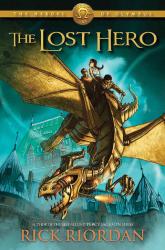
Reviewer's Name: KaiRick Riordan has done it again. After the stunning Percy Jackson series, Percy&co are back, but their not the only demigods in the country! Percy has gone missing, and has been "replaced" by Jason. He has no idea what's going on, after being attacked by a tornado and dropped in an unfamiliar camp, he is soon sent on a mission with his friends from school to capture the storm spirits that attacked them. You never know what Leo will come up with next, and he comes up with some, let's say... interesting, ideas. Do not try to lure a brass dragon with hot sauce and motor oil unless you like being burned. To a crisp. Instantly.
Review:
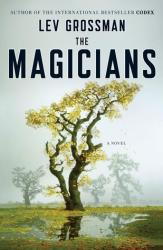
Reviewer's Name: AntwaanThe Magicians is the first book of the "Magicians Trilogy" and is also the source material for a SYFY television show.
The story follows Quentin Coldwater, a young man fascinated by the stories of Fillory and Further, as he progresses through a secret school for the magically inclined known as Brakebills. As he goes through his years at the mystical school, leaving his old life behind, he learns to do magic and blooms new connections with fellow attendees at the school: Eliot, Penny, Alice, Janet, and Josh. After all of them graduate, things turn more magical and dangerous than he could have imagined as a new world is opened before his eyes.
The premise of the book is different than I would have expected for a fantasy book about a magic school (this is not the same as Harry Potter!), and it adds much more than simply school life. While a good chunk of the book is within the walls of Brakebills (and somewhat slow for my tastes), it does a good job of building the world of magic. Quentin himself seems decently relatable to me, though his character did annoy me at times. Watching him interact with the other characters is nice to see as their different dynamics interact with each other. The overarching conflict, from what I observed, is kind of lacking. The threat for the characters appears in one chapter and then disappears without much significance for the remainder of the story and the way it was handled seemed anti-climatic to me. However, I look forward to seeing how everything follows in the next book, especially after the last chapter!
Reviewer's Grade: 11
Review:
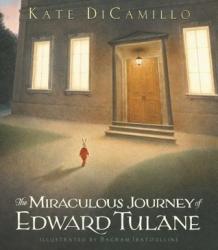
Reviewer's Name: KelseyThe Miraculous Journey of Edward Tulane is a book from the very unique perspective of a toy rabbit. Edward is a narcissistic, cold-hearted rabbit, incapable of love, until something unspeakable (by Edward's standards) happens to him and his life takes a drastic turn. Over the course of his "life", he meets many different people, all in need of him, whether he likes it or not.
The first time I heard about this book was when one of my elementary school teachers read it aloud to the class. And when I reread it just recently, it almost made me cry for the second time. I love this book and it remains one of my favorites because of multiple reasons, including its interesting perspective and excellent development of characters. Each and every one of them seem like actual, real, living people.
Awards:
Review:
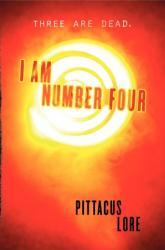
Reviewer's Name: AlaynaI Am Number Four by Pittacus Lore is an entrancing sci-fi/fantasy adventure that is definitely worth the read. The story follows a boy called “Four”. Four, and his guardian Henri, are aliens from another planet. Four is one of nine children with magic powers who escaped their home planet when another alien race (called the Mogadorians) invaded. Now, it is only a matter of time before the Mogadorians, who intend to take over Earth, catch up with Four and Henri.
I love this book. I have read it upwards of ten times, but it still remains entertaining every time. Even though Four is an alien, he has completely human feelings and that makes him a really likable and realistic character. There is never a dull moment in the story, and although I have already read the second book, I want to know what happens next. I recommend this book to all sci-fi enthusiasts, and even those who don’t love it. You absolutely cannot go wrong with reading this book.
Genres:
Review:
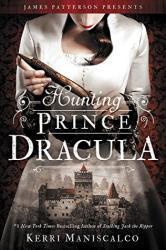
Reviewer's Name: MichelleIn the second installment to the Stalking Jack the Ripper series, this time we follow Audrey and Thomas to Romania, mainly to escape the grief and memories that London contains, but also to attend one of the best schools of forensic medicine. However, Audrey and Thomas are once again thrown into another murder mystery, this time facing Vlad the Impaler.
Even though the plot of this novel seemed interesting enough, like the first book of this series, I still couldn't find myself connecting to Audrey or Thomas at all. Both of them just seemed like the stereotypical cookie-cutter fantasy romance interests, with no dimension and no personality. While I enjoyed some of the interesting cultural legends and information about Romania, I felt like the novel was going way too slow. I couldn't find myself getting into it, and none of the characters really interested me and kept me focused on the novel. Once I practically forced myself to finish the book, I didn't find myself thinking about the book ever again. There was nothing interesting or unique about the novel and all the characters just seemed like the same characters that I've read about over and over again in the fantasy genre. The murder was also pretty generic and simple to solve, so there wasn't much suspense or build-up. Overall, I could see why some people would like this book, but it wasn't for me.
Reviewer Grade: 11
Genres:
Review:
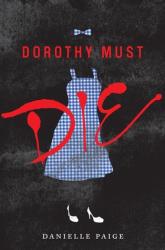
Reviewer's Name: MichelleDorothy Must Die follows Amy Gumm, a trailer-park living girl from Kansas, who has battled through a not present mother, school bullies, and a life of loneliness. However, all things change for Amy Gumm when she is transported into the land of Oz. But things don't seem to be the same, cheerful, yellow brick road Oz that Amy has always heard about, and she fears that she may be in for a much more sinister adventure than she'd planned.
Dorothy Must Die is a fantasy novel that is based on The Wizard of Oz but with a dark twist. Personally, I enjoyed Amy as a character and felt that all her hard experiences in life really turned her into a dynamic character. I also enjoyed seeing how the other turned the happy tale of Oz into something way more dark and deeper. Many of the new twists the author applied to this classic tale were very imaginative and applicable to today's society, and I enjoyed the creativity the novel displayed. Overall, I would recommend this book to anyone who enjoys reworked fairytales, and dark fantasy.
Reviewer Grade: 11
Awards:
Genres:
Review:
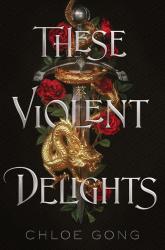
Reviewer's Name: MaggieThis book does a wonderful job of educating readers about history of the 1920's in Shanghai while still being an action-packed and entertaining story. The plot of two gang heirs clashing as they each work to solve the mystery of an unleashed monster in the city is unique and captivating. I love the devotion of each character to protect their loved ones and battle the conflict of values in Shanghai. This book also keeps readers on their toes. The moment I felt like the story was predictable, it proved me wrong! The longer read is worth it for being immersed in these characters' experience. I look forward to reading the sequel.
Genres:
Review:
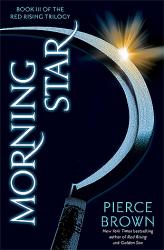
Reviewer's Name: NneomaAfter a year being tortured by Adrius Augustus, better known as The Jackal, Darrow has escaped capture and resumed his campaign against the tyrannical rule of the Sovereign of the Society. But Darrow isn't the man he was a year ago: he's been broken down, dehumanized, and kept in a dark cell for over a year, and now has more doubts than ever. The people he thought were his best friends betrayed him, and the last time he saw the woman he loves, she was walking away from him after learning the truth about his Carving. While Darrow knows that he is likely the last chance at destroying the Society and bringing peace, his own self-doubts and struggles could be the thing that gets him killed.
Compared to the first two books of the trilogy, this book's plot is slower and admittedly, harder to get through. I did appreciate how there is more of a focus on Darrrow's growth from a teenager to a man, and his overall growth in shifting from fighting for himself to fighting for others and a better world for everyone, not just the Reds. However, the book is lengthy and I felt there was an unnecessary amount of "fluff" and plot points that weren't relevant to the overarching plot of the novel. The ending was nice (if not bittersweet), and I'm content with where each of the characters ended.
Genres:
Review:
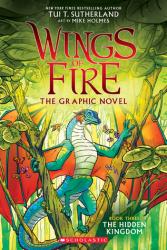
Reviewer's Name: JennyWings of Fire: The Hidden Kingdom, is one of my favorite books of all time. Escaping their captivity in the Sea Kingdom, the dragonets of destiny flee to the rainforest. There, they meet the infamously lazy tribe of dragons, who shelter them. But someone, or something, is disturbing this peaceful and colorful tribe. Can the dragonets save the missing dragons, and find a way to save the world before the brightest night? Well, you’ll only find out by reading the book. Although this book is about dragons, the qualities we find in our society are replicated in theirs. Each of the characters have flaws and strengths. Their personalities vary, and show emotions like greed, kindness, and sadness. As said before, qualities in our society are portrayed in the dragon society too. For example, racism, politics, and rivalries exist, and Tui. addresses these problems through the characters and their actions. By having anti racist characters, and peacekeeping characters, Tui. presents solutions to the problems in our society. All in all, I definitely recommend this book to anyone looking for a good read.
Genres:

Review:
Reviewer's Name: MaggieDance of Thieves has such high praise, but the pacing of this book was the dealbreaker for me. An ideal "enemies to lovers" plot (especially a promising one in a dystopian/medieval setting) needs to be extended enough to where the reader fully understands each character's normal personality compared to when they interact with the love interest. If this time period cannot be conveyed throughout the book, then a description of the past needs to be lengthy and detailed. This book tried to have both and failed. Some scenes with were enjoyable and made me want to see what would happen next, but there was no mystery to it. I could always predict the next move despite such infuriating hesitancy about if the characters will be together for the long-term or not. Not for me, but try it if you absolutely love the trope!
Grade 11
Review:
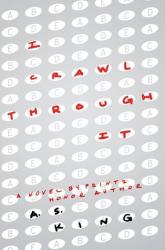
Reviewer's Name: EveI Crawl Through It is about four traumatized teenagers trying to escape the crushing anxieties of everyday life. Stanzi refuses to stop wearing her lab coat. Gustav is building an invisible helicopter that you can only see once a week. China turned herself inside out. Lansdale's hair won't stop growing, and she won't stop lying. Through the course of the novel, they'll learn that escaping life isn't an escape at all, and that the only way to get through the tribulations of life is to crawl straight through it.
This is easily one of the most metaphorical and twisting books I've ever read. The book makes no distinction between reality and metaphor, which is definitely a very interesting mode of writing. When the books says people turn themselves inside out or build invisible helicopters, it commits to that. The blurring of reality is definitely intentional, and really brings across the character's traumas and struggles. The book is still strangely realistic despite fantastical occurrences. It does a magnificent job of not romanticizing mental illness or trauma, as the aftereffects and the circumstances themselves are described as gritty, horrible facts of life. The book sidesteps the photogenic, dramatic, gently sad depictions of mental illness and instead hits you with the ugly, gut-wrenching truth. The prose, as in most A.S. King books, is still phenomenal, and creates a strange, unsettling emotion that perfectly reflects the tone of the book. However, this book can be disturbing or confusing at some points, and while it is interesting, I wouldn't call it a fun read.
All in all, this book is a strange experience. The mix of metaphor and fantasy with the realities of mental illness and trauma create a story unlike any I've read before. I'd recommend it to people interested in unorthodox plotlines, strange writing styles, and invisible helicopters.
Review Grade: 11
Genres:
Review:
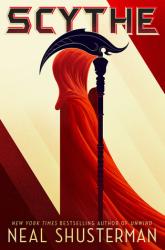
Reviewer's Name: MichelleIt's hard to express how beautifully written this book is. A novel that follows a dystopian plotline where the world has found a way to eliminate all diseases and achieve immortality, from start to finish, Shusterman keeps you hooked. We meet two teenagers, Rowan and Citra, both of whom are selected to become "Scythes," people whose jobs are to randomly kill, keeping the population under control. While the plot sounds intriguing, the way Shusterman tells the story makes it even more so. The extensively detailed world-building that was created in this story was beautiful and made the novel seem thought-provokingly realistic. I couldn't wrap my head around on how the author could think up of such creative details, such as the rules all Scythes must follow, and the premise of "splatting" and "gleaning." While the novel is supposed to be fantasy, it's written in a way that seems all too realistic. The way Shusterman writes makes all of his characters come to life, and the small details he injects into characters makes them seem shiveringly human. While reading, I completely could understand each and every character (even the minor ones) and their actions. Every single character in this novel is written in a completely realistic way-- fatal flaws and all.
The plot twists also completely awed me. Scythe is one of those novels that sprinkle in tiny minor hints that may seem insignificant at first, but come together to form a huge, whopping plot twist. I can honestly say that before actually reading the twists, I would have never guessed any of them. The plot also flowed very naturally, so much so that all the twists included all seemed to be important, and not just stuck in for shock factor. Lastly, I thoroughly enjoyed the journal entries written before/after each chapter, and when reading them, I was awed at the depth and meaning included in them. It's pretty rare for a book to make you think so hard, but this book was one that made me contemplate many, many things. I would recommend this book for anyone, and although it's listed as Teen Fiction or YA, I believe that due to the very meaningful way this story is written, anyone can read this novel, also including the next two books included in the trilogy.
Reviewer Grade: 11
Genres:
Review:
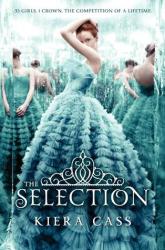
Reviewer's Name: MichelleThe Selection by Kiera Cass is a teen-romance novel, following protagonist America Singer. America, along with 34 other girls is chosen to compete in The Selection. The Selection is a chance for these girls, coming from all sorts of social classes to seize a position in royalty. But for Prince Maxon, The Selection is a chance for him to find true love. We join America and the other girls as they journey to the royal palace to meet the Prince and compete for a chance to become future Queen of the kingdom of Ilea.
When I was reading The Selection, it reminded me a lot of the premise of The Bachelor. 35 girls all competing for the hand of a handsome prince? Sounds pretty much like the plot of a reality TV show to me!
And just like a reality TV show, I found myself completely hooked on this series. There was drama, romance, friendships, and even a hint of politics in this first book of the series. And even though some parts of the novel felt very cheesy and overdone, I couldn't help but want more. The Selection is the sort of book that you pick up for some lighthearted fun, just as you would binge a trashy reality TV show. While I definitely wouldn't recommend The Selection if you want something deeply moving, I'd make sure to give it a try if you're looking for something easy and fun to read to get you out of a reading slump.The Selection by Kiera Cass is a teen-romance novel, following protagonist America Singer. America, along with 34 other girls is chosen to compete in The Selection. The Selection is a chance for these girls, coming from all sorts of social classes to seize a position in royalty. But for Prince Maxon, The Selection is a chance for him to find true love. We join America and the other girls as they journey to the royal palace to meet the Prince and compete for a chance to become future Queen of the kingdom of Ilea.
When I was reading The Selection, it reminded me a lot of the premise of The Bachelor. 35 girls all competing for the hand of a handsome prince? Sounds pretty much like the plot of a reality TV show to me!
And just like a reality TV show, I found myself completely hooked on this series. There was drama, romance, friendships, and even a hint of politics in this first book of the series. And even though some parts of the novel felt very cheesy and overdone, I couldn't help but want more. The Selection is the sort of book that you pick up for some lighthearted fun, just as you would binge a trashy reality TV show. While I definitely wouldn't recommend The Selection if you want something deeply moving, I'd make sure to give it a try if you're looking for something easy and fun to read to get you out of a reading slump.
Genres:
Review:
Reviewer's Name: Rachel L.Catniss Everdeen is the young girl in District 12 who comes from poverty and hunting. When the Annual Hunger Games start their draft picks, Catniss volunteers as tribute to spare her sister. She has always had talent with a bow and arrow for hunting for food to provide dinner for her family. Catniss uses her skill to win the Hunger Games and eventually eliminate President Snow, the background of the merciless games. I loved the intelligence put into the book of the making of the games. Because of the fighting, there is some violence and gore, but it’s still family-friendly and can be read comfortably. I would recommend this book to anyone who loves quick thinking and thought-out mystery. Hunger Games is intriguing, well-planned, and is an all-time favorite for my family.
Genres:
Review:
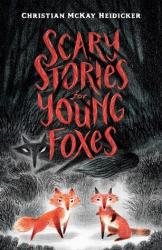
Reviewer's Name: Audrey"Scary Stories for Young Foxes" is an enchanting fantasy read involving several talking foxes. When two of them are separated from their families and meet each other under odd circumstances, they quickly bond and become good friends. They've both already had their share of scary experiences, so they find comfort in having a friend. That is, until they encounter more spooky sites, such as a monster who lurks in the pond nearby, and a lady who wants to trap them for good. What I enjoyed most about this story was the unpredictable plot twists. It had a fast pace, and never left me bored. The author has a way of smoothly transitioning from event to event without any hiccups or plot holes. I also enjoyed watching the two young foxes bond, fight, and bond again. And watch out for the plot twist at the end! The only reason I gave it 4 instead of 5 stars was because I was hoping for a slightly scarier story. At times, the monsters got a little too silly, which made it difficult to put myself in the shoes of the characters. Don't be fooled; this is certainly not a horror novel, and best for ages 11-14.
Reviewer's Grade: 8
Review:
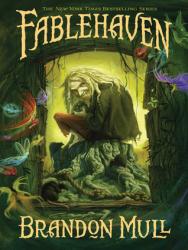
Reviewer's Name: PriyaFablehaven is an easy read for a fantasy lover who wants an engaging story but doesn't want a hard read. Fablehaven reverts back to the original fantasy- fairies and giants, witches and demons. The types of creatures aren't hard to follow. therefore making more space for character development. You become rather attached to Kendra, and her reckless brother Seth.
Kendra is the oldest in their family of 4, and Grandma just died. Her last act was to give her parents a free cruise with the rest of the family, NO KIDS ALLOWED. That leaves Dad's side of the family to watch them. And that leaves the grandparents that they have never met. When they leave, Grandpa sets down one rule: Don't go into the woods. Then he leaves them with the rest of the property to explore. But, of course, Kendra's rambunctious brother Seth ONLY wants to go in the woods now. So when he claims to have found a witch after exploring the only forbidden area, they are set on an adventure that changes her perspective of her grandparents forever.
Seth has been given an entire mansion, almost. Nothing here is dangerous. And when Grandpa here bans an entire chunk of his property because of lice, Seth smells a secret. He grabs his survival kit, and goes to explore, despite Kendra's warnings. When he discovers a witch who has some obsession with knots or something, he cant wait to share! But those discovery means far more than he realized, and Grandma and Grandpa are far more than he realized.
Fablehaven is a twisty book with a great plotlines, and an easy to read but still engaging book. I recommend this to someone who just wants to relax and enjoy a book after a long day. Great fantasy novel, and would even work for a read aloud for younger siblings!
Reviewer Grade: 8
Awards:
Review:
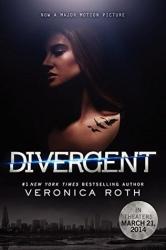
Reviewer's Name: BeatrizI picked this because the plot seemed very captivating, and it turns out it was! I also picked this because it was a different genre than what I normally read. The book kept me very hooked and contained many plot twists. Divergent has easily become one of my favorite books of all time.
The setting is a dystopian setting, in a post-apocalyptic era in Chicago. Society is divided into factions, which members stay in their whole lives after the Choosing Ceremony. Depending on which faction you are in, you abide by different rules. Tris Prior got an unusual result from her aptitude test, a dangerous result called Divergent. This means that she doesn’t belong to one faction. She transfers factions and does her best to keep her Divergence a secret, all the while making friends, and enemies, in her new faction. And then war breaks out, and suddenly, her Divergence comes in handy.
This book is absolutely amazing and kept me hooked the entire time. I was actually disappointed when I finished it because I wanted to keep reading, but it is one of the best books I have ever read.
Reviewer Grade: 8.
Genres:
Review:
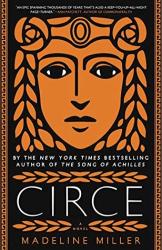
Reviewer's Name: NneomaIn a world where Titans and Olympians exist, Circe is born. Daughter of the sun god Helios and ocean nymph Perse, Circe is not as beautiful as her sister, or as powerful as her brothers. And having an unusual fascination for mortals, Circe is shunned and ignored by her family. After learning she is a witch, Circe is exiled to an unknown island where she will be a prisoner forever. There, Circe learns to hone her witchcraft, finds love, and learns that her divinity doesn't come from her immortality, but her will to live.
This author also wrote The Song of Achilles, and both books are so good! I loved all the references to Greek mythology and Circe's powerful perspective. Circe, of course, is my favorite character, and her growth from a meek push-over to a fiercely independent and resolute person was such a relief. If you like Greek mythology, romance, and coming-of-age, this book is perfect for you!
Awards:
Genres:
Review:
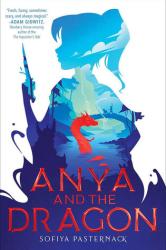
Reviewer's Name: AudreyAnya and the Dragon is a captivating, magical book for any reader looking for a coming-of-age adventure tale. Anya, the only Jewish girl in her Russian village, is being evicted from her home because her family can’t afford to pay the anti-Semitic magistrate’s ridiculous fees. When a family claims they’ll pay her if she captures the last dragon in the region, Anya can’t resist the opportunity to help out her family. But it turns out, an evil Varangian warrior wants to use the dragon for nefarious purposes. I found it to be an incredibly unpredictable book, filled with plot twists and character development. I enjoyed seeing Anya change from a girl trying to make a living to a young woman determined to support her family. Although there were many characters that were difficult to keep track of, overall, this was a phenomenal book that kept me turning to the last page.
Reviewer: 8th Grade
Awards:
Genres:
Review:
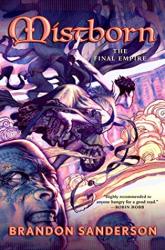
Reviewer's Name: PriyaTo start off, I would recommend this book to anyone who loves fantasy and feels like they need something harder than Shadow and Bone, or Legend. (both are great books btw there's reviews for those elsewhere) Slight disclaimer: it is more of a mature book than the two mentioned before. Still great. One of the reasons this book is so highly recommended by me is because I am a hardcore fantasy lover, and Brandon Sanderson has a way of creating fantasy universes in his books and making them intricate and complicated enough to make a good trilogy out of them... one of the best trilogies I have ever read. But enough ranting, onto the review.
The world where Mistborn takes place is known as Luthadel, and the whole realm is controlled by a mysterious figure known as the Lord Ruler. The social rankings are basic. Skaa (slaves, basically), peasants, and Noblemen. The only other possible social group is the Mistborn, who have magical powers... and only occur in noblemen. Mostly. Vin is a skaa who escaped from her plantation and was taken into one of the rebellions. Her brother was an influential character in her life- taught her not to trust anyone by betraying her himself. The one thing keeping her in this band of misfits is her "Luck", and the band leader realizes that things go better when she's around. But when her rebellion gets overthrown and she gets taken in to be trained as a Mistborn, that one rule she lived is becoming harder and harder to follow.
Kelsier's only goal is to overthrow Lord Ruler. He's the strongest Mistborn around... and maybe ever. He's the only known skaa Mistborn, and the entire crew depends on him. He leads his crew around, preaching his vision of freedom to skaa plantations, trying to get them to form his task force to make his dream come true. His crew of Mistings is slowly growing. One day, he runs into a girl who calls herself VIn, who seems to have Mistborn powers as well... without even realizing. Despite her reserved and untrustful exterior, she could, if trained properly, change his life... forever.
As you can see, the story of Mistborn is detailed and complicated, with social classes, characters, powers and so much more. I would highly encourage and recommend this book to any fantasy lover who is willing to embrace a challenge... and fall in love with it.
Reviewer Grade: 8
Awards: