Book Reviews by Genre: Classics
Review:
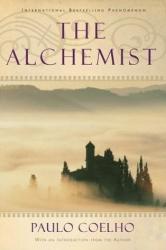
Reviewer's Name: Sabrina JThe Alchemist is the story of Santiago, a shepherd boy, who goes on a journey to find treasure he saw in a dream. It is a story of philosophy and self-discovery, and its open-ended style leaves a lot of room for interpretation. That is the beauty of this book; every reader will get something different out of it. I found The Alchemist to be very inspirational and calming, as well as immensely interesting. This quick read is great food for the soul.
Awards:
Review:
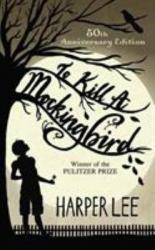
Reviewer's Name: Rohan G.To Kill a Mockingbird is a well thought out, very deep and well executed book. Although it contains some very strong language, I'd say this is a must read for any teenager. Set during the time of the depression, this book deals with many political issues such as racism while also managing to teach very important lessons along the way. The complicated sentence structure in the book, as well as the vocabulary serve to make it a very fun and chalenging read. In my opinion this book is truly one of the best written in history.
Genres:
Review:
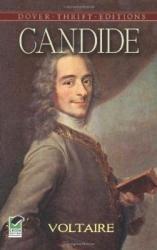
Reviewer's Name: Maddie K.Candide by Voltaire is an interesting book about a man who believes everything that happens will be for the good of man (perverted optimism) even though he is faced with incredible suffering. I read Candide with my European Literature class and I found it a very good book to demonstrate perverted optimism and satire. Voltaire uses satire as an effective device to show the horrors of the world at his time. While Candide is mostly based in truth, it has many fictional ideas such as a country called Westphalia and the mythical El Dorado. Overall, I really enjoyed this book even though it is very weird, it still had an interesting use of language and story line.
Genres:
Review:
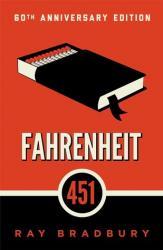
Reviewer's Name: Aiden FWith this dystopian society reversing positions in society, firefighters burn books and light houses on fire. Montag, a veteran firefighter, soon meets a girl who changes his mind about life, books, and his job. Soon, this mystery girl disappears and Montag soon sets out on a risky adventure to solve the mystery of his lost friend. With him betraying society, reading intriguing literature, and meeting new friends, the society is out to find Montag. Will he escape into the unknown world or will he be caught with his fate unknown? This book is an adventure worth reading!
Reviewer Grade: 9th
Awards:
Genres:
Review:
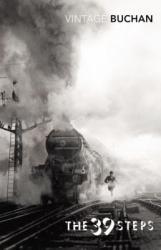
Reviewer's Name: Benjamin W.It’s weird to think that stories like The 39 Steps have only been around for 100 years. Perhaps their ubiquity in modern action thrillers has made me numb to their “man on the run” plotline, but I didn’t find this book to be as interesting as I had expected. Sure, it’s short, but how many of its twists and turns were merely repeating the same way of escaping the main character’s pursuers time and again? And perhaps that’s the main issue I have with this book: the main character seemed to be too skilled at eluding capture for it to be believable.
I know the “wrong man” trope that thrusts an ordinary person into these kinds of circumstances isn’t as realistic as it could be, but when Richard Hannay just happens to know exactly what to do at each instance, I wonder how “ordinary” he really is. Don’t get me wrong, the chase is exciting, it’s just oddly convenient for the protagonist. Of course, maybe I was already ruined by having seen Alfred Hitchcock’s version of this story in The 39 Steps (1935), which added in elements of romance and changed some key plot points.
In the end, The 39 Steps still stands as one of the originators of its genre. Even if the style has morphed and evolved over time, it’s essential to recognize where it came from and what its early influences were. If you’re interested in the history associated with the genre, then this book for you. Heck, if you have a few hours to kill in an airport or waiting room, this book might be the ticket. Just don’t expect much out of it other than some slightly-entertaining distraction.
A basic, if perhaps unbelievable story, in the early action-thriller genre, I give The 39 Steps 3.0 stars out of 5.
Genres:
Review:
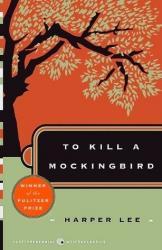
Reviewer's Name: Molly QThis book is an examination of racial tensions and living as someone who defies the social norms to do greater good. It follows a small family that consists of a father and his two children. The father, a lawyer, becomes the first white man in his time and area to defend a black man in court, alienating himself and his family from the rest of their society (because he did what was practically unspeakable in the town's eyes). A fascinating series of events ensue, in which the children grow up learning what it feels like to feel prejudice and can thus empathize with the struggle that colored people around them face. The father must sacrifice his social standing and endure hatred and threats because he chooses to defend the truth, rather than the race. All in all, I would recommend this book not only for its complex and very interesting plot, but also for its analysis of racism and human nature in regards to the greater good and a sense of humanity. Themes of empathy and sacrifice then escalate the plot to its famous and unexpected finale. It is worth the read even only for the father's speech in court towards the end of the book, where he makes his case in favor of a colored man. I would give this book five out of five stars.
Genres:
Review:
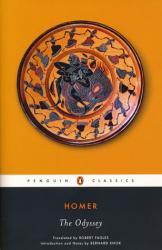
Reviewer's Name: Molly QThis epic poem is one of the most fascinating pieces of literature I have ever read. Following the story of Odysseus, it is an epic journey where gods and mythical monsters try and impede his journey home. There is mythology intertwined with adventurous storytelling, and the style of writing, while obviously more difficult than modern writing, is not too challenging that it makes the poem hard to read. I would recommend reading it for both its historical significance and because of how interesting the story itself is. While it will take some time to get through, the story, I believe, is worth the time. The monsters that Odysseus encounters barter with him and tell him stories that deepen the plot; his interactions and relationships reveal mysteries and provide new motivations or points of interest.
Everything is complexly interconnected and it does take a bit of historical context or background knowledge to understand all parts of the story, so it is an undertaking. However, the fantastic and timeless story is entirely unique. I would give it five out of five stars.
Awards:
Review:
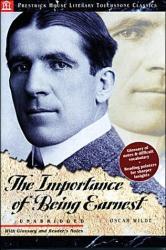
Reviewer's Name: Isabella WOver the years, I have been assigned to read a multitude of books and plays for English classes - some of those writing pieces I have never committed to and read thoroughly. This year in AP Literature, The Importance of Being Earnest was assigned and was not amongst those writing pieces. In many of the English classes I have enrolled in, there are numerous books or plays - especially Shakespeare - that I have read which might be interesting but the diction is archaic. The words and phrases are not used modernly and therefore, what is written is difficult to understand in the absence of translations or SparkNotes. Despite being published in 1895, The Importance of Being Earnest was an easy read because the play is easily humourous.
The play pursues wealthy and bored protagonists, Jack Worthing and Algernon Moncrieff, as they court two women, Gwendolen Fairfax and Cecily Cardew, pretending to be men named Ernest. Their “Bunburying” depicts the theme that idle hands indulge in mischief. Jack, who resides in the country, introduces a devious and unruly brother named Ernest who resides in the city so that he can be reckless in one place while also being arguably mature in another. Algernon pretends to have to check in on a pale and sickly fellow named Bunbury when he is introduced to responsibilities or events he does not desire to participate in. Eventually, upon hearing of Cecily Cardew, Jack’s ward, from Jack, he pretends to be Ernest as well. The two characters utilize their separate versions of "Bunburying" for their own pleasure rather than for being productive, depicting their own values of dishonesty and deceit.
The characters are self-concerned which is unfortunate because during the 1890s, the time in which this play is set, the Victorian Era endured multiple widespread conflicts including overpopulation, poor sanitary conditions, child labor, and religious insecurity - none of which are mentioned by any of the four characters.
Ultimately, the theme of the play may be applied to the modern era which permits The Importance of Being Earnest to be more relevant when you compare the Victorian upper class to, for example, the Kardashians or other celebrities.
The humorous aspect of the play was Oscar Wilde’s use of epigrams, or clever and paradoxical expressions. Predominantly delivered by Algernon, my favorite of the epigrams was “The amount of women who flirt with their own husbands is scandalous. It is simply washing one’s clean linen in public.”
Additionally, this play is a short read with only about 75 pages.
Review:
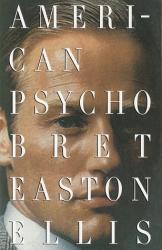
Reviewer's Name: Peter CAmerican Psycho is a bitter, biting satire about consumerism, and the dark side of the American Dream. The story follows Patrick Bateman who works on Wall Street. He is charming, handsome, and rich. He is also a murderer and a psychopath. We follow him as he falls further and further down the rabbit hole as he becomes more consumed with wealth and money. The satire is biting, the humor dark, and Patrick Bateman feels like a real character that is both relatable and hated by the reader at the same time. This book is amazing. I would recommend this novel to anyone who is looking for a great book to read.
Be prepared for some shocking scenes, though!
Genres:
Review:
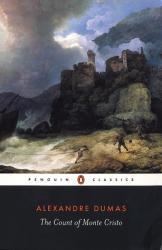
Reviewer's Name: Peter CThis book is amazing. The story follows the tale of Edmond Dantes and his quest for revenge against the three men responsible for his incarceration. It is a very simplistic concept, but upon reading the novel one will find a book filled with characters that live and breathe, action that is relentless, and many subplots threaded throughout the novel in intricate ways. The book, while extremely long, is entertaining all the way through. The ending is satisfying and ends the book well. I would recommend this book for anyone who is a fan on action novels, or revenge novels.
Awards:
Genres:
Review:
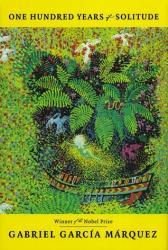
Reviewer's Name: Peter COne Hundred Years of Solitude tells the tale of the rise and fall of the fictional Colombian town Macondo, and the stories of the Buendia family that inhabits the town. The novel is stellar. The characters feel alive and breathing -- they all have different motivations, desires, and weaknesses.
The reader truly begins to feel a connection with these characters as the novel progresses, and that's what makes the novel so good -- if you didn't know the town was fake, you would think it was a real place. The novel pioneered the genre of magical realism, which is a novel with a realistic view of the world that includes magical and surreal elements. The inclusion of magical realism elements in the story is what makes the book truly unique and fun to read. However, it is a very dense book, and can become very confusing very easily. If you can get past the often confusing nature of the novel, you will find a very rich and rewarding reading experience that I would recommend for anyone to read.
Awards:
Genres:
Review:
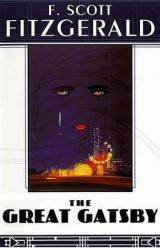
Reviewer's Name: Nam TThe Great Gatsby is the story that is narrated by Nick Carraway, an old neighbor of Gatsby. Taking place in 1922, Nick tells his story of when he has just moved from the Midwest to West Egg in Long Island to become successful and gain fortune as a bond salesman.
The Great Gatsby by F. Scott Fitzgerald is a exemplary book taking place during the Jazz Age. The novel was well written. It was simple, intriguing, clever and witty. Contrary to the deep story/plot line, the writing made it interesting and neither too boring nor extremely emotional. In addition to this, the overall fate upon the Gatsby, Carraway, and Daisy has a strong connection to the reader that allows them to feel the concept of tragedy.
Personally, this is one of the best books/novels. It is a great work of fiction that perfectly crafts the story and the Jazz Age of America.
Reviewer Grade: 10
Awards:
Genres:
Review:
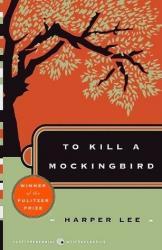
Reviewer's Name: Nam TTo Kill A Mockingbird is a book set in the early 1930s that describes the story of a family in the quiet town of Maycomb in Alabama. Currently suffering in the Great Depression, Scout Finch and her brother, Jem, live with Atticus, their widowed father. During the summer, Finch, Jem and their neighbor Dill explore their street to find an eerie house owned by a man named Mr. Nathan Radley. They learn that he has been living their for years with a brother, Arthur, and has never ventured outside.
The book took a simple setting and turned it into an exciting and intriguing plot line. It was unpredictable for the courses of events that took place, where it was never boring and was continuously captivating.
Personally, I enjoyed most about the creative plot line and course of events that happened in the book. It is an extremely unique book that is in an uncommon time setting, which creates a more enjoyable experience. This is one of the best books I have read.
Genres:
Review:
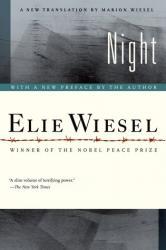
Reviewer's Name: Steven LNight, by Elie Wiesel, tells of the story of the main protagonist Eliezer and the many tragedies he faced in German concentration camps during World War II. The protagonist narrates the entire book in a first-person and unbiased manner, which exposes the emotional truth of the Holocaust and provides an autobiography of the real author’s experience during the war. Eliezer, the main protagonist and counter part to the real Elie Wiesel, is forced to approach his ever-changing relationship with friends and family, many conflicts and struggles, and a plethora of situations that threaten his existence throughout the book. His reactions to these various obstacles exhibit the Holocaust survivor’s unique traits that set him apart from other Protagonists. Like Eliezer, every character in the book is developed fully with vivid traits that the real Elie remembers about them. The autobiography is fascinating and tells a compelling story while informing the reader about what really happened during the Holocaust, and I would reccomend it to anyone.
Grade: 9
Awards:
Genres:
Review:
Reviewer's Name: PeterOne Hundred Years of Solitude tells the tale of the rise and fall of the fictional Colombian town Macondo, and the stories of the Buendia family that inhabits the town. The novel is stellar. The characters feel alive and breathing -- they all have different motivations, desires, and weaknesses. The reader truly begins to feel a connection with these characters as the novel progresses, and that's what makes the novel so good -- if you didn't know the town was fake, you would think it was a real place. The novel pioneered the genre of magical realism, which is a novel with a realistic view of the world that includes magical and surreal elements. The inclusion of magical realism elements in the story is what makes the book truly unique and fun to read. However, it is a very dense book, and can become very confusing very easily. If you can get past the often confusing nature of the novel, you will find a very rich and rewarding reading experience that I would recommend for anyone to read.
Awards:
Review:
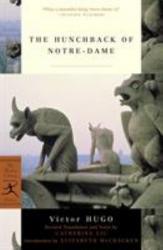
Reviewer's Name: Benjamin W.Victor Hugo is one of those classic authors who I’ve hesitated reading because his stories tend to have a lot of details that don’t necessarily add to the plot. Sure, The Hunchback of Notre Dame is no Les Misérables , but Hugo’s style made this book perhaps a little longer than it should have been. Either way, now I know a lot more about the architecture of Notre Dame Cathedral. Despite all this, the story of The Hunchback of Notre Dame is timeless in many ways, not the least of which centers around its titular character.
While modern stories are vying to be inclusive and diverse, Victor Hugo managed to write a story in the 1800s that not only included a disabled individual but racially diverse characters (at least for France) as well. The fact that both are sympathetic protagonists helps cement Quasimodo and Esmerelda in my mind. They’re both persecuted in their own ways; ostracized from a society that wants homogeneity more than diversity. Sound familiar? Perhaps this is why this book maintains a timeless quality. Even with the slight twist in the ending, the harassment endured by these individuals doesn’t dampen their kind spirits.
For those who might be more familiar with the Disney version of this story, the movie adaptation is more along the lines of a kid-friendly (i.e., sanitized) version of the basic plot. There is quite a bit more violence and “romance” involved in this story—not to mention the obvious absence of talking gargoyles—which I felt made it a little more convoluted than it had to be. Still, Hugo’s way with words was mesmerizing throughout, even if I know that they’ve been through the filter of a translator. If Les Miserables is daunting to you, perhaps try warming up with The Hunchback of Notre Dame, first. You won’t be disappointed.
A timeless classic full of diverse characters and exciting action, I give The Hunchback of Notre Dame 4.0 stars out of 5.
Genres:
Review:
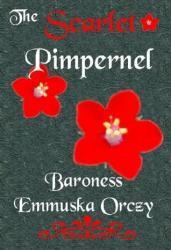
Reviewer's Name: Steven LThe Scarlet Pimpernel is a wonderful book that incorporates the idealism of the French Revolution to create a unique setting. The historical adventure story is filled with a great blend of suspense, thrills, and romance. The developments included in the story are well-executed and the characters are all full of life. The overarching plot is also intriguing and will captivate the reader until the end of the book. Overall, I would recommend this book to anyone, especially those who like a bit a history.
Genres:
Review:
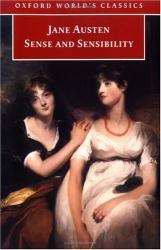
Reviewer's Name: Gillian P.In the classic Jane Austen novel "Sense & Sensibility", three sisters -- Elinor, Marianne, and Margaret -- face a new life after their father dies and they are forced to move to a new home. The sisters' relationships are tested as they balance emotional turmoil, suitors, and new beginnings. I loved this book -- partly because Austen's writing style is straightforward and far easier to read than most classics -- and because of how much time Austen took to masterfully develop her characters. The relationship between Elinor (who is sensible and logical) and her sister Marianne (who is emotional and has a love for drama) is deep and complicated. As the story progresses, we see different sides of the sisters as they struggle to grow in their new environment. I absolutely loved this story. Honestly, there isn't a single negative thing I can say about it. I would highly recommend it to someone who doesn't like classic novels, because I think "Sense & Sensibility" could definitely change their minds.
Grade: 12
Review:
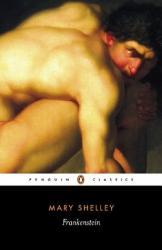
Reviewer's Name: Gillian P.In Mary Shelley's classic novel "Frankenstein", a young ambitious scientist decides to play God and, in the process, creates a monster. As the monster struggles with self-identity and the meaning of his life, he enacts revenge on his creator by destroying everything he loves. Any time you dive into a classic novel, it can be difficult to keep your expectations from getting too high. This novel met pretty much all of mine -- the rich character development of both Frankenstein and the monster, the excellent use of suspense and foreboding to create tension, and the well-paced action. There were definitely some slow parts, but that's mostly because the writing style has changed so much between then and now. However, the multiple perspectives helped keep things moving when they began to slow down. I really enjoyed this novel but I had one fairly big complaint: the ending felt rushed. I felt that we were building up to a much more action-packed ending, but things fizzle out very quickly and the novel ends on a strangely unsatisfying note. I think that there could've been more time spent creating a strong conclusion to a really strong story. Besides that, this classic is excellent and definitely worth a read.
Grade: 12
Awards:
Genres:
Review:
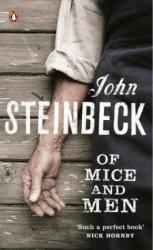
Reviewer's Name: Steven LOf Mice and Men is a true classic. It is a gripping tale of friendship and tragedy that takes place during the Great Depression. Lennie and George are very well-developed characters and their story of fulfilling their American Dream is one that you won't want to put down. Of Mice and Men is a surprisingly short read, but its story is enormous. While the book does include some controversial topics, it is still a very good read that I would recommend to anyone.
Awards:
Genres:
Review:
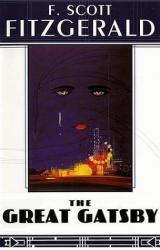
Reviewer's Name: EvanThere is a reason the Great Gatsby is considered an important work of American literature. Both a highly accurate depiction of the 1920s, a deep reflection on American morals, and the reality of the American dream, and an entertaining novel in general. While some of the book struggles with some strange pacing and slightly scattered plot, it is a worth while read. This book both appears frequently in popular culture and overall is a subject that is important to know. The Great Gatsby may not be a novel for everyone, however, it is relatively short and worth reading.
Awards:
Review:
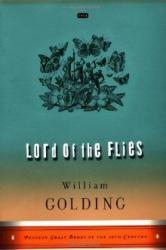
Reviewer's Name: Peter CLord of the Flies is a horrifying book. Not through horror elements, but through the themes that it presents and deals with throughout. The plot follows a group of boys attempting at self-governance, after they become stranded on an island. Their attempts at a government fail, however, as their society devolves into power struggles and an "every man for himself"attitude, which leads to the collapse of their makeshift society.
The book explores the theme of the intrinsic corruption of human nature, and what happens when a society falls prey to malice and greed. The novel forces us to take a look inward, and forces us to analyse out modern society from a new perspective. However, one downside is that the novel can be a bit dull and boring, and quite hard to follow.
Review:
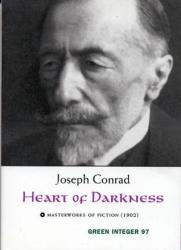
Reviewer's Name: Peter CHeart of Darkness was written at a time when the horrors of the genocide in the Congo were being discovered by everyone. Joseph Conrad's magnum opus is a novel steeped in allegory and metaphor that details such genocides, while also serving to provide discourse on the nature of humanity.
The book details a character named Marlow as he travels up the River Thames in the Congo into the physical and metaphorical heart of darkness, and his experiences on his journey. The novel manages to both entrance and horrify readers, as the horrors described by Marlow are not only seen by him, but by us as an extension. The book does a wonderful job on speaking on the topic of genocide, but also helps us to learn about ourselves, about the nature of humans, and our dark hearts. This is a book that is necessary to read if one wants to consider themselves educated. However, the only downside is that it can be very hard to understand, and can be very, very monotonous and boring.
Awards:
Review:
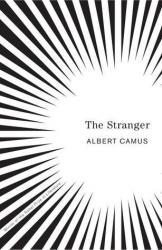
Reviewer's Name: Peter CAlbert Camus was a French philosopher and author who gave rise to the idea known as absurdism, the idea that humans live in a meaningless, chaotic universe. His novel, The Stranger, reflects this idea quite well. The novel is about a man named Mersault who, after his mother's death, murders an Arabic man on a beach and is sentenced to death.
Throughout the novel, Mersault is quite passive to the things around him; to his mother's death, to him shooting the Arab, and to his death sentence. This suggests the idea of absurdism: why should he protest to what is happening when he will one day die? While I like the message and the ideas the book puts forward, the writing can be a big lackluster. For example, the first half of the the novel is quite boring and moves at a snail's pace, which made it hard for me to remain interested. Thankfully, the book is quite short so it's not that big of an issue. I would recommend this novel to fans of philosophy or like novels about existentialism.
Awards:
Genres:
Review:
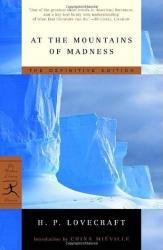
Reviewer's Name: Peter CH.P. Lovecraft is commonly known as one of the titans of horror, one of the pioneers of the genre who influenced people such as Stephen King, and has even inspired several video games, such as Bloodborne. At the Mountains of Madness is considered Lovecraft's magnum opus, his best work to date. It is a novella telling the story of a small group of geologists, aviators, and explorers who travel to Antarctica in search of unique rock specimens. While there, however, they encounter several horrors, including unearthing ancient specimens known as Old Ones, a decadent, purely weird city built by the Old Ones themselves, and even giant albino penguins. This novella is truly horrifying, as the suspense Lovecraft is able to build through usage of the setting is gripping. If one is looking to begin reading Lovecraft books, this one is a great entry point, as it introduces the reader to the Old Ones, the Necronomicon, and even Cthulhu himself. I would recommend to anyone who loves horror novels, or anyone who wants to read Lovecraft.
Genres:
Review:
Reviewer's Name: Oriana O."Animal Farm" by George Orwell is about a seemingly normal farm that turns against their farmer. The animals take over the farm with the help of their leaders who are pigs. After all the humans are gone from the farm they continue under the rule of the pigs and create a system of rules to follow as a guideline for their new life. Everything goes well until one of the pigs, Napoleon, uses the dogs he trained to remove the other leader, Snowball, from the animal farm. With Snowball gone Napoleon takes complete control of the farm. He alters the rules made by Snowball, abuses his power, and makes poor decisions that negatively affect the other animals. One of their rules/guidelines was that humans were evil and not to be associated with.
Napoleon breaks that rule many times starting with making a trade of wood with another farm run by a farmer. They get scammed from the exchange with the human, but that doesn't stop Napoleon from dealing with humans. He goes to the extent of not telling the fellow animals the truth and putting all pigs above everyone else. From there things get progressively worse until Napoleon eventually befriends the humans along with the other pigs. They become so much like the humans that it gets to the point that the pigs are basically humans.
I would recommend the book. "Animal Farm" is interesting and in my opinion is in a sense satire, so I really enjoyed it. I read this book because I was planning on reading 1984 by the same author for a BTS theory and wanted to read other books by George Orwell. I kind of could relate to some of the animals because when they disagreed with Napoleon they brought up good points, but no one listened to them. The ending is very surprising and the book isn't predictable.
Awards:
Genres:
Review:
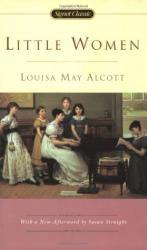
Reviewer's Name: Maddie K.Little Women is a classic piece detailing a few years in the life of the March family. It is a beloved tale and for good reasons. This book shows the true inner workings of a family during the civil war and how love is stronger than even death. I really enjoyed Little Women because it included the historical details of the time that I find interesting, such as: having home servants even when in poverty, the intricacies of the dress, and social commentary. Little Women shows the true heart of sisterhood and friendship, along with the bonds made between parents and children. Through thick and thin, the March sisters are there for each other. Truly a delightful read for anybody.
Awards:
Genres:
Review:
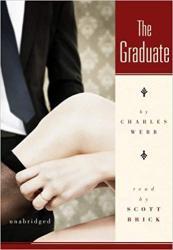
Reviewer's Name: Benjamin W.If I could condense this book down to a single phrase, it would be “What?” It’s not that I didn’t understand this book, it’s more that this single word/question was used for every third line of dialogue. Not only was this incredibly annoying to read—as every character seemed to have hearing problems that required the other speaker to repeat themselves—but it just seemed to pad out an already weak plot. I have no idea how this book became so famous that it led to a much superior film adaptation, but now I know that nobody should bother reading this book because of its inspiration for the movie.
Let’s talk about character motivations next. Nothing ever made any sense. Sure, there’s a bit of existential ennui involved with finishing something you excel in (school, in this case), but the actions of the main character only make sense up until a point. Once we hit the third act, there’s just a series of random actions that aren’t grounded in reality. This is also not to mention that the characters around him, especially the primary love interest, also make illogical decisions that aren’t founded in any sort of reality. At least this book is short enough that you’re not going to waste much time reading it.
Maybe I’m just missing the point of this book. Perhaps it’s an examination of the consequences and realizations that come from living a life that seems to have no meaning. I mean, I get the counter-play between the newly-disillusioned Benjamin and the almost permanently-disillusioned Mrs. Robinson; butwhenthe entire thing is filled with awkward and nervous dialogue that constantly repeats itself, I can’t help but think that there isn’t anything significant there. Even the ending was so abrupt and unfulfilling that I had to thank the movie version for its subtleness in revealing the characters’ realization of what they’ve done.
A truly sub-par story that was made into an above average movie, I give The Graduate 2.0 stars out of 5.
Review:
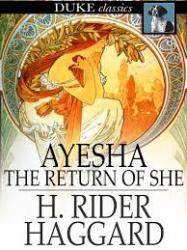
Reviewer's Name: Chris W.Coming from the author of "King Solomon's Mines" and creator of Allan Quartermain, you can expect a terrific turn of the century, adventure story. Written as the sequel to "She", "Ayesha: The Return of She" stands on its own, and I find it even more enjoyable than the original story (but "She" does make for a good prequel - as I read them out of sequence). Our hero Leo, sets out with his friend to seek out his long lost love. This leads them to the most remote of areas, across vast deserts, and over treacherous mountains. When they reach the empire of Kaloon, the Khania Atene swears that she is the woman Leo is searching for, but he is unsure, and wishes to consult with the mysterious Hesea, an ancient priestess of the mountain, who has sent for him. Atene will risk everything, even war with the people of the mountain, to keep Leo by her side, even though he wishes to see the Hesea. Is Atene the woman Leo is seeking? Who is the cryptic Hesea? What dangers await Leo and his friend, both in Kaloon, and on the mountain?
This story was originally published in a serialized form in 1904-1905, with gorgeous Art Nouveau illustrations. If you can find it, I highly recommend reading a reprint that includes the original illustrations. One of my favorite books of all time!
Review:
Reviewer's Name: Chris W.Ever since I saw the inimitable Richard E. Grant in the "The Scarlet Pimpernel" TV series, I have been enamored by these tales from Baroness Orczy. As the cliche goes though, the book is far superior to any adaptation I've seen thus far. After the French Revolution, the new government of France established the "Reign of Terror", where the citizens of France took out their anger and vengeance on any of the old aristocracy that they could find - whether they were guilty of oppressing the people, or not. Enter The Scarlet Pimpernel(!), an elusive daredevil, whose secret league of Englishmen risk their lives to save the aristocratic victims of the people of France. When the government of France charges their agent, Citizen Chauvelin, with discovering the identity of their mysterious enemy, he blackmails Lady Blakeney, a pinnacle of London society, into aiding him in his treacherous task. Who will she turn to, to help save her only brother - her insipidly foppish husband, Sir Percy Blakeney? He may be rich, and the leader of fashion in London's high society, but he's certainly not a "man of action" for something so perilous and vital. Lady Blakeney must face her inner struggles to try to find the hero who she admires so much, only to betray him. Meanwhile, the infamous guillotine awaits her next victims...
Published in 1905, "The Scarlet Pimpernel" established many of the hero tropes that are familiar today, such as having a secret identity, and using disguises and intelligence to outwit one's enemies. This is truly one of my favorite series. If you like this book, there are follow-up chapters, such as "I Will Repay", and "The Elusive Pimpernel", that are worth your attention as well!
Genres: