Book Reviews by Genre: Literature
Review:
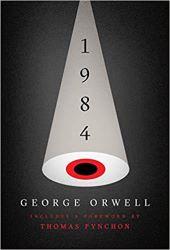
Reviewer's Name: SamahAlthough George Orwell crafted a rather interesting dystopia, the story he built around it largely fell flat. It was apparent throughout the novel that Orwell was more of an essayist than a storyteller; he was more interested in explaining the structure of his setting to his audience rather than showing them how that structure affects the story. 1984 suffers from hundreds of pages of blunt exposition-dumping that disconnects the reader from the characters and plot. While there is significant payoff at the end, the rising action was rather lacking in weight as the main character spends more time describing the logistics of the 1984 world rather than where he fits in it. Some aspects of Orwell's famous dystopian are intriguing, like the use of Newspeak or the new family dynamics, though it is overall disappointing.
Genres:
Review:
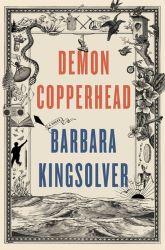
Reviewer's Name: LuciaThe sole way to describe Demon Copperhead by Barbra Kingsolver is a long, dark coming-of-age narrative. Demon Copperhead, born and raised in the southern Appalachian mountains by a single drug-addicted teenage mother, is seemingly designed for failure the moment he was born. Throughout his childhood, Demon confronts an abusive stepfather, an addicted mother, exploitive fosters, and selfish friends. As he faces a life of mistrust, inadequacy, and poverty, Demon relies on his wits to survive. While the book is lengthy, there is never a dull moment or lull in the plot, and the characters within the narrative are dynamic, adding depth to the story. The writing style effectively lures the reader into the constructed world of Lee County.
Genres:

Review:
Reviewer's Name: AshleyI loved this book! The detail in these stories was terrific and made the book a lot easier to follow. The story was entertaining and kept you on the edge of your seat at some parts. My only dislike about this story is that in the beginning of the book when Patroclus is naming all of the different Greek gods and demigods and such, so many names did get a bit confusing. It was a bit hard to follow but only lasted for about the first chapter and was an easy read after that. I rated this book 5 stars because the Greek mythology base in the story was very interesting, and you grew to love the characters as you read it. It made me smile, laugh, and cry. Genuinely a great book. In my opinion, this book is meant for young adult readers, I would say 15+ in my opinion. It does contain some violence but nothing too graphic and one brief sexual content scene but does not go into much detail. Would definitely recommend it!
Genres:
Review:
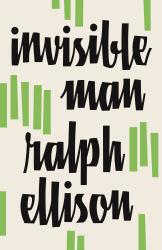
Reviewer's Name: Aman G."Invisible Man" by Ralph Ellison is a powerful and thought-provoking novel that explores the complexities of African American identity in a society that refuses to see them as anything but invisible. Published in 1952, the book tells the story of an unnamed narrator who struggles to find his place in a world that constantly denies his existence.
The novel is set in the early 20th century and follows the narrator's journey from his youth in the South to his experiences in the North, where he encounters racism, violence, and exploitation. The narrator's quest for identity is complicated by the fact that he is not only a black man in a white-dominated society but also an individual struggling to define himself.
Throughout the novel, Ellison employs richly symbolic imagery to convey the narrator's experiences and emotions. The use of motifs such as blindness, invisibility, and masks emphasizes the ways in which society seeks to hide or ignore the realities of racism and prejudice. At the same time, the narrator's invisibility serves as a metaphor for the struggle of African Americans to assert their identity and agency in a society that denies them these basic human rights.
Ellison's prose is both poetic and poignant, as he explores the complexities of race, identity, and power. He also addresses issues of class and gender, as the narrator navigates the world of white power brokers, black nationalists, and women who seek to control him.
Overall, "Invisible Man" is a powerful and important work that continues to resonate with readers today. It is a testament to the enduring legacy of racism and inequality in America, and a call to action for all those who seek to create a more just and equitable society. If you have not read this book yet, I highly recommend that you do so.
Awards:
Genres:
Review:
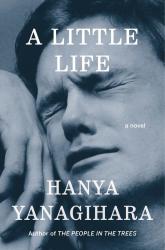
Reviewer's Name: Nishtha"A Little Life" by Hanya Yaragihara is a commendable literary fiction which will make you cry and smile, often both at the same time.
I read this book last year and I still think about it sometimes and that's how I know it's a good book.
Honestly, saying it's a 'good' book is an underestimation.
My sincerest apologies.
Let me correct myself, A Little Life is not a good book, it's a magnificent book. A fine piece of literary fiction.
After a couple of decades this book is going to be considered a classic from this
generation. I have dibs on it.
Reading it was quite an expedition,
It was as if I rode a rollercoaster of
emotions;
whereupon I felt the highest of highs and lowest of the lows, varying from small soothing ecstasies to immense crestfallenness.
The book is bildungsroman of sorts which simply means we follow characters from their childhood towards their adulthood and we basically read them go through their lives.
We circle the lives of four college friends, based in nyc, who technically grow up together.
But our focal point resides on Jude, our protagonist, whom we adore!
A little context: In his adult life, he is a successful litigator who has got his act together,
but little do we know, he's been through hell and back. We untangle his mind-boggling mysteries on this expedition of ours. Its a tragic tale really but despite the unfortunate trajectories there is something so beautiful and pure about this book,
I guess what I'm referring to is friendship.
The bond these college friends share.
These characters grow on you, you can tell they're written with love.
They re so complicated and real and even relatable, sometimes.
Moreover, text is simply elysian. I needn't say more.
The beauty is in the details, in the intricacies.
Once you get through the initial fifty pages, it'll grow on you indefinitely.
and it'll become unputdownable and your fingers would ache since its a mammoth of a book. And you're dread it when you're nearing the end,
dread it because you do not want it to end yet,
thats how lovely these people are, and their story is. Well, lovely and sad.
Once you devour the text,
you'd miss them.
your heart would be left rended all over the place, like mine was
and you'd think how the text wasn't long enough, like I did after reading 800 something pages,
I wished there were more to the book.
Adding some trigger warnings for this book at the end of my review-
sexual abuse, child sexual abuse, scary verbal abuse, psychological manipulation and gaslighting, kidnapping/
imprisonment, many modes of self-harm, suicide, rape.
I think I covered them all, look trigger warnings up once just to be sure.
Read this book. I insist and assure you will have a good time.
Genres:
Review:
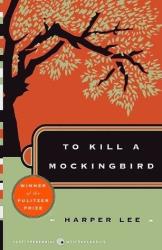
Reviewer's Name: AddisonTo Kill a Mockingbird by Harper Lee explores themes of race, justice, and morality through the eyes of a young girl in a small Southern town. Set in the 1930s, the novel follows Scout Finch as she grows up and navigates the complex social and political landscape of Maycomb, Alabama. The plot of To Kill a Mockingbird is both compelling and emotionally resonant. Lee’s exploration of racism and prejudice is nuanced and insightful, offering a powerful critique of the social and political systems that perpetuate injustice. The trial of Tom Robinson, which forms the center of the novel, is both tense and heartbreaking, with Lee masterfully building tension and suspense as the case unfolds. This novel is very heavy in symbolism and encapsulates the perspective and voice of a young, naive girl very successfully. I enjoyed the wide variety of characters, bits of humor, and overall depth of meaning and thought that To Kill a Mockingbird provides. Overall, it was a very thought-provoking and deep read, perfect for classic lovers and those who enjoy realistic fiction.
Reviewer Grade: 11.
Genres:
Review:
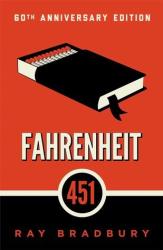
Reviewer's Name: AddisonFahrenheit 451 by Ray Bradbury delves into the dangers of a society where books are banned and critical thinking is discouraged. The novel follows protagonist Guy Montag, a fireman whose job is to burn books, as he begins to question the oppressive society he lives in and seeks to uncover the truth about the value of literature. The plot of Fahrenheit 451 is both compelling and thought-provoking- Bradbury’s dystopian world is entirely possible, and his exploration of the consequences of censorship and intellectual suppression can be easily applied to modern times. The story is driven by Montag’s journey of self-discovery, which is filled with twists and turns that keep the reader engaged until the very end. Bradbury’s writing style is poetic and evocative, bringing the world of Fahrenheit 451 to life with vivid descriptions and metaphorical language. His use of symbolism is particularly effective, as he weaves in recurring motifs such as fire, the mechanical hound, and the phoenix to add depth and complexity to the story. The novel is also structured in a way that mirrors Montag’s journey, with the pace and tone shifting as he becomes more aware of the world around him. Overall, Fahrenheit 451 is a very thought-provoking and symbolic classic that really makes you rethink the value of intellectual freedom and education. Every time I read it, I recognize more symbols, hidden meanings, and references that really enrich my experience. I enjoyed this book very much and would recommend it to anyone interested in dystopian, mind boggling novels.
Reviewer Grade: 11.
Genres:
Review:
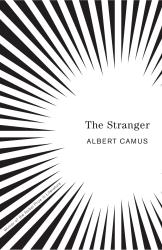
Reviewer's Name: SamahAgainst all odds, this book bored me. The Stranger follows an indifferent man shortly after the death of his mother, of whom he is accused of having no care or affection towards. Meursault is far too agreeable for his own good, and it pulls him into relations with Raymond, who seeks revenge on his lover for cheating on him. As Meursault cares little for the romantic or violent developments in his life, he relates these events to the reader in a painfully dull manner. Every description is matter-of-fact and insignificant; Camus reveals nothing else about the narrator until the very end of the novel. Until then, the reader is dragged painstakingly through a drab recount of Meursault's life as if it belonged in a dictionary. The book, thankfully short, seemed to stretch on far past its actual runtime. I do appreciate that Meursault can be funny on rare occasions, but never in a way that feels purposeful. Overall, I'm disappointed with this book, and I wish the non-feeling narrator had been written with more depth.
Genres:
Review:
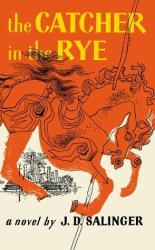
Reviewer's Name: AddisonThe Catcher in the Rye by J.D. Salinger is a timeless classic that explores the complexities of adolescence and the search for identity. The story follows the life of the main character and narrator, sixteen year old Holden Caulfield, over the course of two days after he has been expelled from prep school. Disillusioned and struggling to come to terms with the world around him, Caulfield's story is masterfully told through Salinger's unique and captivating writing style that immerses the reader in Holden's world and captures the essence of teenage angst and rebellion. This classic novel is unlike any other that I have read, containing several humorous instances and a main character with a very strong personality that kept me hooked. Holden's interactions with his family, friends, and strangers are both funny and poignant, highlighting the challenges of growing up in a world that often seems confusing and unfair. Overall. The Catcher in the Rye is one of my all-time favorite pieces of classical literature that resonates with many age groups and provides for a very interesting read. I have read this novel at least five times and have yet to tire of it.
Reviewer Grade: 11.
Genres:
Review:
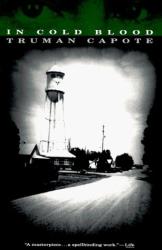
Reviewer's Name: AddisonTruman Capote's In Cold Blood is a true crime account of the 1959 murder of the Clutter family in Holcomb, Kansas by the criminal duo Dick Hickock and Perry Smith. Capote's unique, journalistic writing style creates an intriguing narrative that blurs the line between fact and fiction. In my opinion, part one of four starts the book off a bit slowly, and Capote includes a lot of extra details that make the book seem longer than it is. However, once the book transitions into the backgrounds and motives of the killers and moves on from introductory information, it is quite a thought-provoking read. Capote's portrayal of the murderers is particularly fascinating because he delves into their motivations and psychological states in a way that is both haunting and insightful. This novel explores themes of morality and the American Dream, which are easily connected to modern day society. Overall, In Cold Blood is a must-read for anyone interested in true-crime and journalism, as it offers a unique and suspenseful account of one of America's most notorious crimes. I enjoyed reading this novel, although just one read was enough for me.
Reviewer Grade: 11.
Genres:
Review:
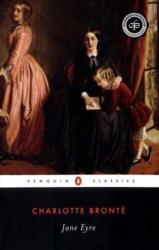
Reviewer's Name: AddisonCharlotte Bronte's Jane Eyre is one of my favorite pieces of classical literature that explores the human experience through the story of an orphaned young woman, Jane Eyre, who remains steadfast in her beliefs despite the challenges she faces. Bronte's writing style is emotional and descriptive, immersing the reader in a detailed and symbolic representation of 19th century England. The novel's structure is well-crafted, with each chapter building upon the last to create a story that is hard to put down once you're reading. The character development is impressive, with Jane and supporting characters adding depth and complexity to the narrative. The novel explores universal themes of love, morality, and social class, making it a timeless classic that truly can resonate with any reader. Jane becomes a relatable character throughout the novel as she overcomes a variety of issues, and I found most of the drama she was involved in to be both intriguing and entertaining. Overall, Jane Eyre is a must-read for anyone who appreciates a good story or classic literature, especially one that explores coming-of-age and romantic ideas. Personally, this is one of my favorite novels across any genre as I have read it multiple times.
Reviewer Grade: 11.
Genres:
Review:
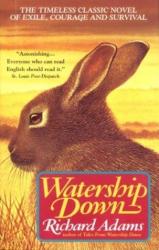
Reviewer's Name: RoseThis is a book designed for lovers of Xenofiction (books from non-human perspectives). "Watership Down" is a book about a warren of rabbits. Hazel's brother Fiver has a disturbing vision that prompts him and others to leave the warren. Along the way they run into other, sinister warrens. Interwoven with the story, short segments describing the mythology of El-ahrairah ( a figure similar to Robin Hood).
Some may be familiar with the violent reputation of "Watership Down". This is an earned reputation. Although no main characters die, they do suffer grievous harm. Aside from that, there is a vivid and disturbing description of the original warren's description. However, I felt that the most disturbing parts of the books were the parts exploring the almost dystopian warrens the group meet. If you plan to read this book, keep this in mind. Do not read this if you are sensitive to violence.
If you can get past the disturbing content, this is an excellent read. The characters are incredibly charming. Hazel is an inventive leader, who sometimes acts recklessly to show off. Fiver is a timid rabbit who has glimpses of the future, based on the famous Greek oracle Cassandra. Bigwig is a gruff ally, who occasionally doubts Hazel's leadership, but has a big heart. The plot is equally as interesting, leaving me anxious at parts when things seemed to be going eerily well. The segments regarding El-ahrairah are also entertaining, giving insight into the rabbit culture.
All in all, if you aren't sensitive to violence, I would definitely recommend trying this book.
Genres:
Review:
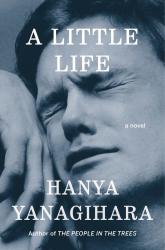
Reviewer's Name: MakennaUntil this book, I had not read anything that had impacted me this much. It was an absolutely heart wrenching book that was so beautifully written and was overall amazing. I love books that touch on the dark and uncomfortable parts of life and the human experience that aren't talked about very often and this is one of those types of books (check the trigger warnings before reading it because there are a lot of tough subjects in it).
A Little Life follows a man named Jude throughout his whole life. It focuses mainly on him and his friends when they met in college and follows them beyond, well into adulthood. It has flashbacks to Jude's childhood and the trauma he went through and how he coped with that trauma and how his relationships were affected. It has a strong message about friendship and has underlying themes of dealing with grief and abuse along with other tough subjects. This is hands down the best book I have read in a long time. The characters were incredibly developed and they felt real, it was one of those types of books that took me a long time to recover from after I finished it because I felt so close to the characters and the story. Even though some of the topics covered in this book are tough and uncomfortable, they are important to talk about and I recommend this book to anyone who enjoys raw and slightly gut wrenching books.
Reviewer Grade: 11
Genres:
Review:
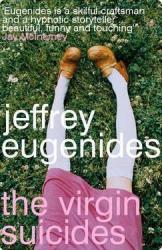
Reviewer's Name: EveThe Virgin Suicides is the elegy of the Lisbon girls, from the perspectives of the neighbors that are still haunted by them. The Lisbon family lives on a quaint suburban street in the Sun Belt, drenched in sunlight and white-washed shingles. Then one year, every Lisbon girl, starting with Cecilia and ending with Mary, commits suicide. This book is the observations and meditations of the boys across the street, the ones who loved them, who obsessed over them, who objectified them, and who watched them die one by one. The girls are doomed from the opening lines. The only question that remains is why they did it, and why our narrators can't let them go.
I read this book because I was told it was a staple of dark academia. It is not, no one here likes school. In reality, it is a treatise on girlhood, in all its insubstantial suffering. The first thing that struck me was the way the author sets the mood immediately. The entire book is dripping with malaise, the suffocating nature of sisterhood and parenthood on full display whenever the Lisbon house is described. The brief gasps of outside life are bright and crisp, while the references to the current day, middle-age life of the narrators is sad and listless. I wouldn't say this book is pleasant to read, but it is gripping in its complete commitment to its mood and setting. On that note, the choice of the author to tell the story entirely from outside perspectives was fascinating. The narrator is only described as "we", as the group of neighborhood boys who obsess over the girls in both childhood and adulthood. One conflict in the book is wondering if we are meant to sympathize with the boys who are scarred from the suicides, or see them as a commentary on the ways that the world seeks to capture and define teenage girls. I ended up seeing it as the latter, which likely made me view this book in better light than many of my peers. The boys actions always have an air of perversion about them, and at the end they seem to realize that all their breaches of privacy and decency have brought them no closer to understanding the girls. Another thing I liked about this book is the way that the girls are given a kind of privacy of thought from the narrators and the readers. Every attempt at scrutinizing their reasoning or emotions or motivations is always followed by a caveat. Nothing is certain with the Lisbon sisters, just the way nothing is every certain when we view the actions of others. The unknowability of their tight knit group gives them a dignity that their neighbors and community seem to want to violate constantly. This book is also a clear censure of suburbia. The neighbors try to do their best to help when they can, but still grumble amongst themselves about the Lisbon family leaving the leaves in their yard the fall after their youngest commits suicide. The great debutante balls and dances of the south are in full swing, but there is an undercurrent of corruption and distortion to the dancing and dating. The sexualization of the girls is also rampant, which, again, makes the book a lot harder to enjoy if you don't see it as a choice by the author in order to comment on it. In short, the suicide of the girls seems like a catharsis, a response to the disgusting and decaying world around them. Everyone around them represses their emotions, from their parents to the boys enraptured by them to their teachers to their peers. They are the only ones who get to set something free. The juxtaposition of the wailing EMTs to the quaint, straining neighborhood further demonstrates their freedom, even in their death.
This book did have problems. A lot of stuff is uncomfortable to read, even if viewed as a deliberate choice. The story often takes winding tangents that serve little purpose besides demonstrating the boredom and trivialities of suburban life. Still, the book is still a fantastic meditation on what its like to be a teenage girl, in all the wonderful and ghastly ways. I would recommend this book to anyone who is looking for good setting, shocking stories, and a good mystery to carry with them!
Reviewer Grade: 12
Genres:
Review:
Reviewer's Name: OleksandraSometimes, a trip to the lighthouse can take the entire life. Or our life is just one long journey to the lighthouse. Sometimes we don’t even realize how much we are in need of light that we see every night out of the window. We may not even notice how it directs us and helps not to get lost in this misty world. But what happens if this light disappears? We are left with two choices: either go on search of if, following the illusive glance, or find it inside of your soul.
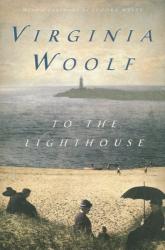
Virginia Woolf’s novel “To the Lighthouse” introduces the readers to the Ramsay’s family and their friends, staying in the summer house in Scotland. As they are going through daily routines, we discover their personalities and stories, so different and unique. They agree and disagree with each other, inspire and discourage, give hope and take it away, create and ruin. Their days flow as usually until the light disappears from the house. It seems like it’s possible to turn everything back and keep the life normal, but everyone can’t help noticing the missing part, until the characters go on their own trips to the lighthouse.
The story is mainly written in a form of reflection. Virginia Woolf lets the readers see the characters and percept the world of the book through two of her main characters’ points of view. It shows, in an unobtrusive manner, how people depend on those whom they are surrounded with. The language of the book is figurative and complex, just as lives of its characters. It plunges the readers into such an atmosphere, where cold Scottish wind keeps your hands numbed, as you are walking down the coast, but the thought of someone caring about you does not let you freeze from inside.
An amazing book that will turn the time of reading it into a very special period of life
Reviewer Grade: 12
Genres:
Review:
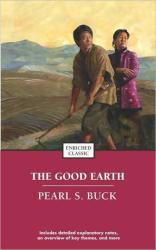
Reviewer's Name: AbigailThe Good Earth follows a man named Wang Lung accompanied by his wife, O-Lan. This story is told surrounding China in the early 20th century told in a classic rags to riches tale. Important themes are told through this story to express what China in the 20th was going through and challenges the people had to face. Some of these themes include the oppression of women and man’s relationship with the earth.
I have to admit, the first time I read this book I didn’t really like it. After talking to someone about the book, I decided to read it again and recognized its importance. Not only is the book informative, but it’s also an all around good book. There are many different plot points and character development pieces that go into this story. While reading it, it made me think… is this what people had to endure in China in the 20th century? Knowing this, it pulled at my heart strings a little bit. I absolutely love this book and would recommend.
Reviewer Grade: 8
Genres:
Review:
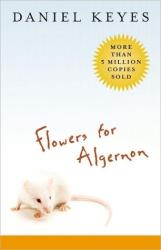
Reviewer's Name: SamahFlowers for Algernon is stunning commentary on the way society perceives intelligence and its connection to personal value. The creative liberties taken with this book to modify diction to match Charlie Gordon's knowledge create a more personal connection with the beloved narrator. I found myself celebrating the first time he used a comma or a metaphor. Although this book was difficult to read at first, I understand that those creative choices enhance the impact of the story later on in the book. The reason I wouldn't call Flowers for Algernon perfect is I feel some of the development in the middle diverted from his climactic conversations with the doctor and professor. The story seems to split into two at once: one of Charlie's emotional intelligence struggling to keep up with his knowledge, and one of his environment's reactions to his sudden genius. Though I enjoy both perspectives, I feel the conjunction creates clutter in what could be one flawlessly streamlined story. However, both stories are executed beautifully, and the journey of Charlie Gordon is both profound and emotionally charged. Flowers for Algernon is certainly a novel I'll mull over in years to come.
Genres:
Review:
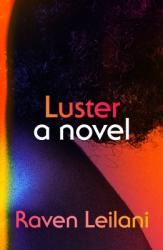
Reviewer's Name: KateIf it weren’t so gorgeously written, it’d be too wincingly real to read. I felt deeply connected to Edie in all her messiness and compulsive curiosity. Leilani’s characters are all their own: weird, self-possessed, sort of perverse, clearly loved into being.
Genres:
Review:
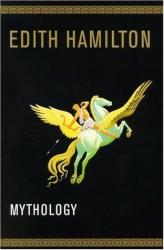
Reviewer's Name: FinnMythology, written about Edith Hamilton, creates a timeline and family tree of the Greek gods and demigods. The book is based in small sections, so it is essentially a collection of assorted stories. For example, there is a section called "The Great Heroes before the Trojan War", and in that section there are specific synopsizes on Perseus, Theseus, Hercules, and Atlanta. I enjoyed the book because you can read it 5 minutes at a time because it does not take long to read a section. I recommend the book to mythology and history lovers alike.
Genres:
Review:
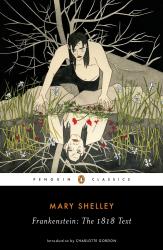
Reviewer's Name: FinnFrankenstein, a fictitious novel based Europe, details the account of a genius named Victor Frankenstein who creates a beast out of dead body parts. The beast then goes on to haunt him and kill everyone who Frankenstein loves. Frankenstein tracks the beast into the mountains and eventually speaks to him. The beast pleads Frankenstein to create a female beast, to which Frankenstein, comprehending of the horror that a lineage of beasts would survive, declines. The beast vows to kill every last one of Frankenstein's affections, and he does. Frankenstein is enraged and dedicated the rest of his life to tracking and killing the beast. The chase ends in the Arctic, where Frankenstein eventually dies. The beast sees his death and, with no more hope for a future mate, is overcome with grief.
Genres:
Review:
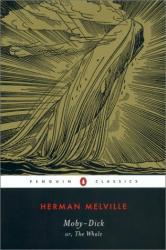
Reviewer's Name: SamahI, like most people, got wildly bored reading this book. Even then, it's one of my favorites. Moby Dick is a long and treacherous journey not for the faint of will, but lying at the end of the mud-covered path is a handsome bounty. For me, the ending of Moby Dick justified the means. Sprinkled throughout are interesting and bizarre chapters (and wise quotes on sleeping with drunken cannibals), but I believe the impact of the ending cannot be achieved without Moby Dick's arduous length. The hundreds of pages allow the reader to spend a massive amount of time with the characters (even if it's just Ishmael) and grow to appreciate the ship. Without that, the ending would fall miserably flat. So, despite the time it takes to read Moby Dick, the famous tale of a captain's monomania is one told beautifully.
Genres:

Review:
Reviewer's Name: EveNo Longer Human is a cultural phenomenon, widely known as the second most bestselling novel in the history of Japan. Within, Osamu Dazai explores the life of a man who feels that he has never been a part of humanity, and his desperate strivings to find a piece of happiness in a life full of terror and vice. The timeless, existential themes of the novel will haunt the reader past the last page.
I chose to read this book because I'd seen a lot of people all over the internet praise it as the saddest book they'd ever read. There are about a thousand videos and essays and think pieces about the depressing nature of this book, and how it can devastate and eviscerate emotionally. Weirdly enough, I don't see it. The book is definitely very sad, but to me it didn't extend very far beyond the other grimly written books about very sad people with very sad lives. However, the psychology of the protagonist definitely sets the book apart. Unlike other books of the same nature, this book cuts to the bone by showing the terrifying underbelly of humanity. The protagonist is paralyzed by fear because he comprehends what many of us forget: that we are at all times surrounded by our own apex predators. Each of us has our own deep desires that could stir us to violence at any given time. We lie and cheat and steal to get what we want, effortlessly wearing masks that can obscure our entire character and can last a lifetime. The protagonist isn't like other antiheroes of hardened books about the horribleness of humanity. He doesn't accept it, or rail against it. He is very much afraid of it, and does everything he can to get out of its way. The protagonist's perspective is also interesting in the way it views humanity. The detachment of the central character is clinical, and portrays the characters in an alien light. He is scared of humans, but he also doesn't understand them. He sees all hunger and desire as something strange, and he wonders how people can be so insincere so easily. But despite his abject horror of humanity, the protagonist is slowly transformed into everything he despises and cannot understand. Perhaps the most fascinating part of this tale is how the protagonist is dragged, slowly but steadily, into the grips of humanity's vices and horrors.
Despite the intriguing nature of the protagonist's psychology, I didn't find the rest of the book as interesting as I thought I would. I was likely just disappointed that after all the build up, this amounted to another very well done, very sad bildungsroman in the vein of Catcher in the Rye or Little Friends. There's also issues with the way the writer portrays women, but since everyone in the book is fairly dehumanized it doesn't bother me as much as I thought it would. All in all, No Longer Human is a fascinating journey through the most base natures of humanity, all through the eyes of a man who feels disqualified from being human. I'd recommend this to someone who wants something dark and strangely fascinating. I would not recommend this to anyone who is anywhere close to being in a bad place, or anyone who got annoyed by Holden in Catcher in the Rye. This guy is ten times worse.
Reviewer Grade: 12
Genres:
Review:
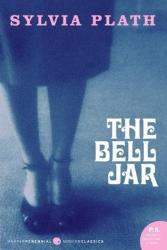
Reviewer's Name: NasirYou will understand why she was so depressed and attempted suicide three times after reading this novel. It tells the tale of a young girl who suffers a lot throughout her entire life. All the events of her life are beautifully executed with the help of Easter's character in this novel. Sylvia wants to be a poet, but society forces her to be a housewife, have children, or someone else. Sylvia Plath's father dies when she most needs him. Being without a father means you are alone with creatures in this cruel world that does not care about anyone. She seems very lonely, and sometimes she feels like she is in a bell jar, like a dead baby. She is depressed by the silence. It is not the silence of silence, it is her own silence. The novel also depicts the situation of women in the 1940s they were supposed to do what their men wanted them to do. If the person is loyal, he should get the same person, but that is not the case with Slviya Plath. Every boy friend she finds has an affair with another woman. She sacrifices her body for the peace of mind and her virginity for the sake of experience.
Genres:
Review:
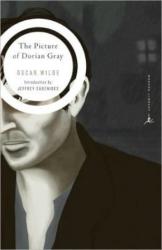
Reviewer's Name: SamahAs a lover of writing, poetry, and pretentious philosophical tangents on the measurements of good art, I was bound to enjoy Wilde's only novel. The Picture of Dorian Gray is a beautiful tapestry of tragic corruption and its devastating effects. Albeit at times Lord Henry seems to ramble on about entirely uninteresting subjects, the overall experience of the book is short and sweet. The prose is flowery and elegant; the interactions between characters are brief but natural. Major character development occurs off-screen, which was disappointing, but within 160 pages one can only fit so much. Ultimately, I greatly enjoyed the ride, and The Picture of Dorian Gray has cemented itself as one of my favorites.
Genres:
Review:
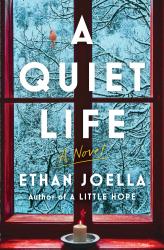
Reviewer's Name: HannaA Quiet Life by Ethan Joella is an emotional, heartwarming story about human connection. Joella’s story tackles grief and loss, all the while remaining light-hearted and hopeful. A Quiet Life takes on the perspective of three different people, all struggling with their own hardships and trials. Chuck, an elderly man mourning the death of his wife, must decide whether or not he should venture back to their vacation home for their yearly trip. The pain is too much to bear, and imagining himself being there alone is heart wrenching. Ella, a single mother working a newspaper job, is trying desperately to find her missing daughter. Kirsten works at an animal rescue and tries her best to serve the community. However, after the quick and tragic murder of her father at a convenience store, Kirsten can hardly find the light in life again. A Quiet Life shows the intricacies and hardships that come with loss, all the while connecting every missing piece, and showing us how togetherness is what keeps us afloat.
(Reviewer Grade: 12)
Genres:
Review:
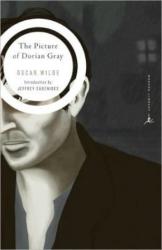
Reviewer's Name: TishaAt first, I only picked this book as a classic for school, but I quickly learned it's a classic for a reason. I'd known of the general plot of the novel where a portrait reveals the ugliness of the inside of a man while he remains young, but the way it's written and described makes the full story. The story starts with painter Basil basically putting so much work and devotion into a portrait of Dorian Gray, the painting comes to life. Dorian wishes to stay forever young, and the painting reflects his evilness (vanity, etc.). I enjoyed the sense of mysticism and how everything connects to the theme of appearances are not what they seem. Dorian looks beautiful, but his actions (the thing that makes a person) are grotesque and horrid. The gothic fiction genre is reflected by the dark evilness of Dorian's actions and the magic of the portrait. This book is my favorite class I read this year and the plot surprised me with the characters always returning and a sense of incompletedness when characters leave. If you're looking for a medium-read classic with thought-provoking ideas, then this is for you!
Reviewer Grade 12
Genres:
Review:
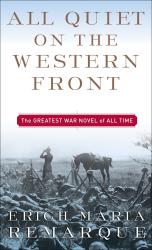
Reviewer's Name: LuciaAll Quiet on the Western Front by Erich Maria Remarque can solely be described as an ingenious masterpiece. The book, a historical fiction novel, was written in 1928 about German soldiers' experiences during World War I; Remarque used his experiences as a german soldier to accurately portray the terror of war. The main characters, Paul Bäumer, Albert Kropp, Franz Müller, and Ludwig Behm, are remarkably realistic and, throughout the book, go through changes caused by the nature of war, essentially turned into humans run by animal instincts. Throughout the book, Remarque ripes away any possible notion of romantic ideas relating to war and perfectly encapsulates the true terror of war. Overall, I wholeheartedly believe that everyone should read this masterpiece.
Genres:
Review:
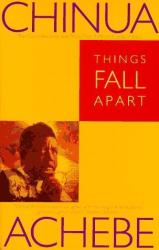
Reviewer's Name: MaggieThings Fall Apart by Chinua Achebe is considered a literary masterpiece, with its unique perspective on colonization that isn't always told. Okonkwo, the main character with three wives and the memorable reputation of a great wrestler, has a great fear of losing any part of this status and ending up like his father. This fear is realized when Okonkwo is exiled (for an ironic crime) and returns to find his community overrun by Christian missionaries. They bring a seemingly-noble message of salvation, but it is only a matter of time before blood is spilt. Learning about Ibo culture through this book was a really cool experience, so I don't regret reading it. But, why is it that "classics" always have to include raging misogyny? Okonkwo almost constantly beat his wives, and despite this technically being historically accurate, I found the repetitiveness to be unnecessary. Despite this, Achebe's use of language, such as proverbs to create a story that feels like a fable, was something that I haven't seen before. Gaining a new perspective throughout reading Things Fall Apart was an experience I think everyone should have.
Grade 12
Genres:
Review:
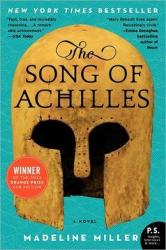
Reviewer's Name: Muhammad N.The Song of Achilles was written in 2011 by American writer Madeline Miller. It is an adoption of Homer's Iliad and is a retelling of the great Greek warrior Achilles. The tale is told from the perspective of Patroclus. The novel follows the romantic relationship between Patroclus and Achilles as it is written in the novel.
*"He is half of my soul, as the poets say."*
*Madeline Miller, by using their relationship, is trying to show the role of men in ancient Greek society and how homosexuality was viewed in that era. The most pleasing thing about this novel is Miller's poetic writing and how beautifully she has painted the vivid picture of the emotions of all the characters, and it has taken me into another world while I was reading.
There are some debates that have been going on for centuries until today. For example, the relationship between Patroclus and Achilles has been debated for centuries, and still there is no clear evidence of whether they were lovers or close comrades. The second one is that Helen was the cause of the Trojan War, and destroying thousands of ships and men just for a woman is foolishness. As Dr. Faustus says:
*"Was this the face that launched a thousand ships and burnt the topless towers of Ilium?"*
Mean by there, is she that much beautiful that kings are willing to destroy anything?
The novel also contains many themes. The first one is *"honour and pride".* Achilles fights for his honour because he wants his name to be remembered, in the same way Agamemnon and Menelaus fight for their pride, which they lost when Helen was kidnapped by the king of Troy. For Greeks, honour and pride is everything, and they prefer to sacrifice their lives over honour and glory. They believe that sometimes violence is needed to prove one's pride. As it is set down in the text:
" *The sons of Troy are known for their skill in battle, and their deaths will lift your name to the stars."*
The second major theme is *impulse to show power*. Achilles, Agamemnon, and Menelaus fight for power and want to have control over their lives; one of the biggest reasons for participating in battle is to showcase their power. Besides this,the powerlessness of women like Helen, Briseis, and Deidmeia can be seen in the novel. Agamemnon treats Briseis badly as a wench or a war prize, and also, Helen is forced to choose a husband even though she doesn't want a husband.
*To conclude* , the novel is a wonderful piece of literature and deserves to be read because the way Medellin Miller has described all the events and feelings of all the characters makes you feel the same.
Awards:
Genres:
Review:
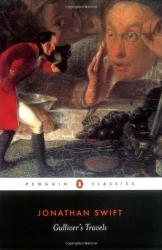
Reviewer's Name: SamahPart of the reason I rated this book low is because I had high expectations. I read an abridged version as a kid and I thought the general story was cool. Part of the reason I rated this book low is because Swift fills the reader's head with unnecessary details until important plot points are lost in the middle of description paragraphs. The events that take place in Gulliver's Travels are interesting, sometimes clever references to 19th century politics and general social commentary: Gulliver passes through a variety of islands with caricatured citizens. Although I do not expect Gulliver or the citizens of these islands to be developed characters, as their only purpose is to serve as a means to tell the story, the intrigue of the plot dissolves when paired with Swift's writing style. Swift is a meticulous writer who insists on heavy descriptions of every detail and, consequently, there is little to no stylistic separation between key points in the story and the personal life of a particular citizen. Gulliver's Travels is also a relatively short read at around 300 pages, so it is fast-paced compared to other books written in similar detail, which further muddies the plot. The dialogue in this book is also near nonexistent; I can't recall a single line. When Swift means to relay information between characters, he will most often do so in paragraph format. As someone who usually enjoys classics, I am disappointed to say I really only valued the skeletal plot outline rather than the book itself.
Grade: 11
Genres: